.webp)


Introduction
Deadlock is an upcoming competitive multiplayer game developed by Valve, blending elements of third-person shooters with multiplayer online battle arena (MOBA) systems. Though still in development and testing phases, the game has already generated significant attention for its hybrid design and fast-paced gameplay structure.
Unlike traditional shooters that focus purely on aim and reflexes, Deadlock introduces layered mechanics such as lane control, hero abilities, and strategic map progression. At the same time, it avoids the top-down perspective of classic MOBAs, placing players directly into the action with a third-person viewpoint. This combination creates a new type of competitive experience where positioning, teamwork, and mechanical skill must coexist.
1. A Hybrid Genre: Shooter Meets MOBA
Deadlock is built on a fusion of two major genres.
Core Hybrid Elements
- Third-person shooting mechanics
- Hero-based abilities
- Lane-based objectives
- Team coordination
This combination results in gameplay that feels both tactical and action-driven.
A New Competitive Identity
Players must balance precise aiming with strategic thinking, making it more complex than either genre alone.
2. The Map Structure and Lane System
Like traditional MOBAs, Deadlock features structured maps with defined lanes.
Lane Design
- Multiple pathways connecting bases
- Defensive structures along each lane
- Strategic choke points
Teams must push lanes to reach the enemy base.
Map Control
Controlling territory is essential for gaining advantages during matches.
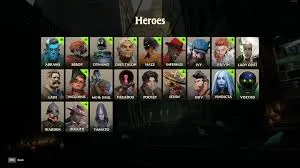
3. Hero Design and Ability Systems
Each playable character comes with unique abilities.
Hero Features
- Active abilities for combat
- Passive traits that affect gameplay
- Ultimate abilities with high impact
Heroes are designed to fit different roles within a team.
Role Diversity
Common roles include:
- Damage dealers
- Support characters
- Frontline tanks
Team composition becomes a critical factor in success.
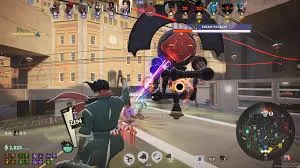
4. Movement and Vertical Combat
One of the standout features of Deadlock is its movement system.
Mobility Mechanics
- Fast traversal across the map
- Vertical movement options
- Dynamic positioning during fights
Players are not limited to flat terrain.
Combat Implications
Verticality adds a new layer to engagements, making positioning more complex.
5. Combat Flow and Real-Time Decision Making
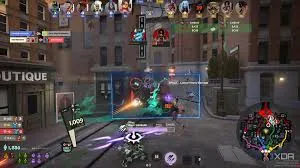
Combat in Deadlock is fast-paced and continuous.
Combat Characteristics
- Real-time aiming and shooting
- Ability timing and cooldown management
- Team-based engagements
Players must constantly adapt to changing situations.
Skill Balance
Both mechanical skill and strategic awareness are required.
6. Objective-Based Gameplay
Winning in Deadlock is not just about defeating enemies.
Key Objectives
- Destroy enemy structures
- Control map zones
- Support allied pushes
Objectives drive the pace of the game.
Strategic Priority
Teams must decide when to fight and when to focus on objectives.
7. Team Coordination and Communication
Teamwork plays a central role.
Coordination Elements
- Ability combinations
- Lane assignments
- Objective timing
Teams that communicate effectively gain a major advantage.
Cooperative Strategy
Players must work together rather than rely on individual performance.
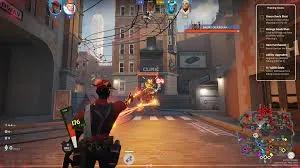
8. Visual Style and World Design
The game features a distinct visual identity.
Design Features
- Stylized environments
- Clear visual effects for abilities
- Readable battlefield layout
This helps players track action during chaotic fights.
Functional Aesthetics
Visual clarity is prioritized to support competitive gameplay.
9. Early Access and Community Interest
Although not fully released, Deadlock has attracted strong interest.
Reasons for Attention
- Valve’s reputation in competitive games
- Unique genre combination
- High skill ceiling
The community is actively discussing strategies and mechanics.
Ongoing Development
As the game evolves, mechanics and balance continue to change.
10. Potential Impact on Competitive Gaming
Deadlock could influence the future of multiplayer design.
Industry Significance
- Blending genres successfully
- Introducing new competitive formats
- Expanding player expectations
It represents a shift toward hybrid gameplay systems.
A New Competitive Standard
If successful, it may inspire similar games in the future.
Conclusion
Deadlock represents a bold step in competitive game design by merging the strategic depth of MOBAs with the immediacy of third-person shooters. Through its lane-based maps, hero abilities, vertical movement, and objective-driven gameplay, the game creates a complex environment where teamwork and individual skill must work together. While still in development, its innovative approach has already captured the attention of the gaming community. If fully realized, Deadlock could redefine how competitive multiplayer games are structured, offering a fresh experience that bridges two of the most popular genres in gaming.