


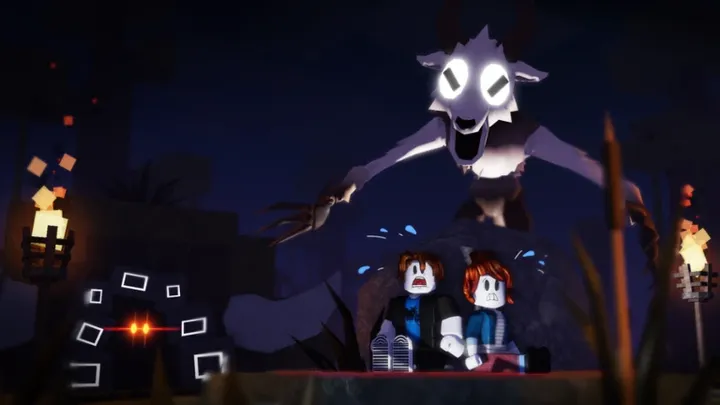


Forgotten Memories is a psychological survival horror game that challenges players to navigate fear, solve intricate puzzles, and uncover the truth behind a mysterious disappearance. Known for its chilling atmosphere and classic survival mechanics, the game combines exploration, limited resources, and intense encounters with terrifying enemies. This guide focuses entirely on how to play, improve, and master every aspect of Forgotten Memories. Whether you are new to survival horror or familiar with the genre, this comprehensive breakdown will help you advance smoothly while avoiding the mistakes that many players make during their first run.
Understanding the game requires more than simple controls. You must learn how to read the environment, manage resources, respond to danger, and make decisions that influence your progress. This guide covers each step in detail, following a natural timeline from preparation to mastery. With 10 core sections, each containing multiple paragraphs, you will gain detailed insight into how to survive, solve puzzles, fight monsters, and uncover the story buried within this haunting world.
By the end of this article, you will be equipped with the knowledge needed to overcome the game’s challenges while maintaining composure in moments of intense psychological pressure. This is your complete how to guide for Forgotten Memories.
Understanding the Basics of Forgotten Memories

Before jumping into advanced techniques, it is essential to understand the game’s foundation. Forgotten Memories is built on slow paced exploration, intentional scarcity, and atmospheric tension. Every movement and decision must be calculated if you want to survive. Rushing into dark corridors or ignoring environmental cues often leads to panic situations you could have avoided.
The game also uses fixed and semi fixed camera angles, reminiscent of classic survival horror. This adds difficulty in navigation but also heightens suspense. Mastering movement and orientation early will help with situational awareness later. Take time to study how your character interacts with the world, how the camera shifts, and how enemies appear within your field of view. Doing so helps avoid unnecessary damage.
Finally, the game’s storyline plays a major role. Forgotten Memories encourages players to pay attention to the narrative, read notes, and observe objects closely. These narrative elements often contain clues for puzzles or hints that help you avoid traps. Understanding this connection between environment and story is the first step toward mastering the mechanics that come later.
How to Navigate the Environment Efficiently
Navigating the eerie and maze like environments is one of the essential skills in Forgotten Memories. Areas are filled with shadows, narrow corridors, locked doors, and branching paths that easily disorient players. Begin by moving slowly through each room, identifying landmarks, and memorizing key locations such as safe rooms, puzzle areas, and locked passages.
One of the best early habits is mapping the environment mentally. You do not need a physical map, but you must remember where pathways connect. Players who get lost often waste precious resources while trying to retrace their steps. Pay attention to lighting changes, unique decorations, sounds, or room shapes. Each of these cues helps you remember where you have been.
As you progress, navigation becomes easier because you will recognize the game’s logic. Areas usually loop back to each other, and many locations unlock shortcuts that reduce travel time. Always activate these shortcuts, as they create escape routes in emergencies. Efficient navigation not only saves time but also preserves stamina and reduces chances of accidental encounters.
How to Manage Resources and Inventory Wisely
Resource management defines your survival. Forgotten Memories provides limited ammunition, health items, and tools, forcing players to make careful decisions. Recklessly using bullets or healing too often will leave you defenseless later when enemies become stronger and more frequent.
To manage inventory properly, learn to evaluate urgency. Save healing items for momentary safety rather than small injuries. Only heal when your chances of dying from a single attack become high. This ensures you always have supplies for major encounters. Likewise, use melee weapons when possible to preserve ammunition for enemies that cannot be approached safely.
The game also encourages players to collect and use key items strategically. These items often open new sections or activate mechanisms needed for progression. Keep track of what each tool does and where it should be used. Efficient inventory management prevents backtracking and reduces exposure to hostile zones. The more organized your approach, the higher your survival rate.
How to Solve Puzzles and Progress Through the Story
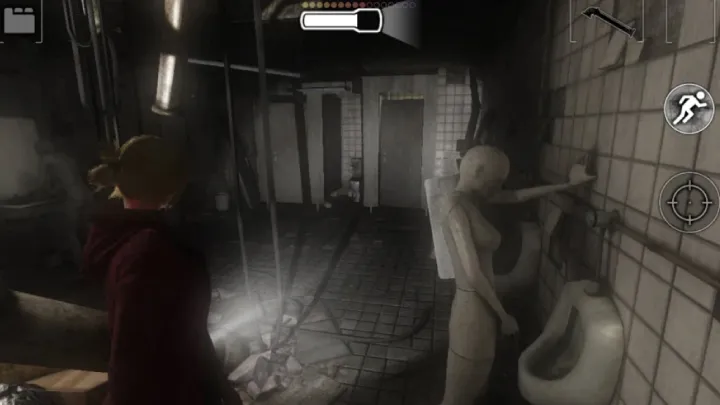
Puzzles are a central element in Forgotten Memories. Many areas require solving mechanisms, interpreting symbols, or interacting with objects in a precise order. The key to puzzle solving is careful observation. The game rarely gives direct instructions but instead hides clues in notes, environment details, or prior dialogue.
When approaching a new puzzle, begin by examining everything in the room. Look for patterns, numbers, drawings, or unusual objects that stand out. Most puzzles rely on logical thinking rather than random trial and error. Keep notes if necessary so that you do not overlook small but critical hints. Slowing down and analyzing each step will save you time.
As you progress, puzzles become more complex. They often connect with narrative events, requiring you to understand characters or past events. If you get stuck, return to previously explored areas. Forgotten Memories frequently places clues in earlier regions. Understanding these puzzle structures helps you move forward smoothly without frustration.
How to Handle Stealth and Avoid Enemies
Survival is not always about fighting. Often, the safest strategy is avoiding confrontation entirely. Many enemies in Forgotten Memories are stronger than you, and fighting them wastes resources. Learning how to use stealth wisely significantly increases your longevity in the game.
Stealth begins with movement. Walk slowly near enemies and avoid running unless necessary. Running produces noise that attracts attention. Listen carefully to enemy sounds to predict their movements. The game’s audio design provides subtle cues that inform you whether it is safe to proceed or hide. Use shadows and obstacles to break line of sight when enemies patrol nearby.
Avoiding direct encounters also requires planning. Some areas contain alternate routes, hidden corners, or ventilation paths that allow you to bypass danger. Always identify these escape routes when entering a new location. Once stealth becomes second nature, you will conserve ammunition, maintain health, and move through levels far more efficiently.
How to Fight Effectively When Combat Is Unavoidable
While avoidance is ideal, combat becomes necessary at key points. Efficient fighting requires understanding enemy patterns, timing attacks, and using weapons intelligently. Do not waste bullets. Aim carefully and fire only when you have a clear shot. Missing shots puts you at unnecessary risk.
Learn the behavior of each enemy type. Some strike quickly but are fragile. Others move slowly but hit hard. Certain enemies react strongly to light or sound, while others require heavy weapons. Understanding these differences allows you to choose the right weapon or tactic for each encounter.
Positioning is crucial. Keep distance from faster enemies, move around obstacles, and avoid fighting in tight spaces. Use the environment to your advantage by luring enemies into safe zones or bottlenecks. Mastering combat ensures that when you must fight, you emerge with minimal losses.
How to Stay Calm in Psychological Horror Moments
One of Forgotten Memories most intense elements is psychological horror. Sudden shifts in atmosphere, strange illusions, and unsettling events can overwhelm players. Staying calm is essential for maintaining control. Panic leads to poor decisions, wasted supplies, and unnecessary danger.
To keep your mind steady, focus on rhythm. Slow breathing and steady movement help maintain clarity. Do not rush into darkness or chaotic visuals. Instead, analyze what the game is showing you. Many disturbing scenes are hints rather than threats. Recognizing this saves you from reacting impulsively.
Another technique is grounding yourself in objectives. When the environment turns chaotic, remember your goal. Whether you are searching for a puzzle piece or escaping an area, anchor your actions to specific tasks. Psychological horror becomes less intimidating when you frame events as part of the narrative rather than immediate danger.
How to Strategize Long Term Survival
Forgotten Memories rewards players who think beyond the current room or encounter. Long term strategy includes anticipating resource needs, identifying safe zones, and planning progression routes. This mindset ensures that you do not end up trapped or underprepared during late game challenges.
Plan your inventory based on future areas. For example, if you know a region has multiple enemies, conserve ammunition beforehand. If a puzzle heavy chapter is coming, focus on observation items rather than combat tools. Long term planning helps balance your playstyle across the entire game.
Additionally, pay attention to story developments. Narrative clues often warn you about upcoming threats or changes in environment. Respond to these hints by adjusting your strategy. The more you prepare, the smoother your journey through the later chapters.
How to Reach the Ending and Understand Your Choices
Reaching the ending is not just about surviving enemies and solving puzzles. It also requires interpreting choices, following the narrative closely, and responding to character motivations. Forgotten Memories rewards players who piece together story fragments and understand the deeper meaning behind events.
To reach the best outcome, explore thoroughly. Collect every document, observe every room, and analyze the connections between characters. Many endings depend on how well you understood your objectives and how carefully you responded to key events. Missing important clues may lead to incomplete or less satisfying conclusions.
Understanding the ending enriches the entire experience. Forgotten Memories is not just a series of challenges. It is a psychological journey that reflects themes of trauma, memory, and self discovery. By paying close attention to these elements, you will experience a more meaningful and emotional conclusion.
Conclusion
Mastering Forgotten Memories requires patience, awareness, and strategic thinking. From navigation to puzzle solving, from stealth to combat, every element works together to create a tense and immersive survival horror experience. This guide has walked you through how to play effectively at each stage of the journey, offering practical steps that ensure long term success.
As you progress, remember that the game rewards calm decision making and attention to detail. Whether you are exploring dark corridors, observing clues, or facing psychological turmoil, your ability to stay composed defines your success. Use this how to guide as a foundation, adapt it to your personal playstyle, and you will navigate the haunting world of Forgotten Memories with confidence.
Summary
A complete how to guide for Forgotten Memories covering navigation, puzzles, combat, stealth, survival strategy, and story progression for new and advanced players.