





How to Play Roblox: The Forge – Full Narrative Guide (2025 Edition)
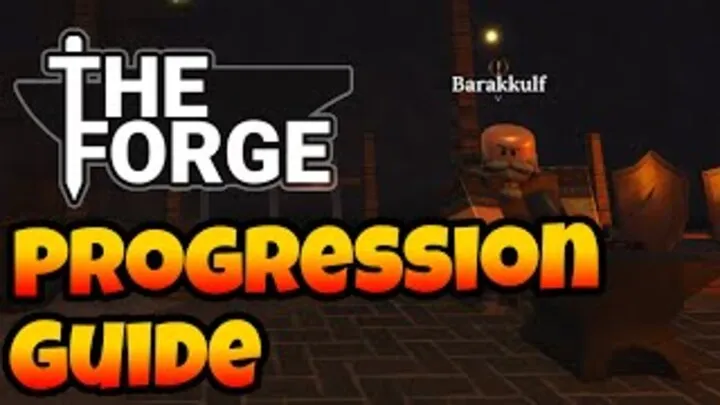
Roblox: The Forge is a fast-rising fantasy RPG that blends resource gathering, forging, exploration, and combat into a single progression system. If you’re just starting your journey, the first thing you’ll notice is how the game throws you directly into a world shaped entirely by what you craft. Unlike class-based RPGs, The Forge doesn’t restrict you to a single playstyle. Instead, your identity in the game emerges naturally from the materials you collect and the weapons you create. The moment you finish choosing your character’s appearance and enter the starting zone, you immediately join the central loop that defines the entire experience: gathering essential materials, forging your first weapons, testing them in combat, upgrading your stats, and pushing deeper into more dangerous territories.
To progress efficiently, you need to understand how the world feeds into your power. The Forge places heavy emphasis on resource farming, so your early hours will revolve around learning where to find ore veins, clusters of trees, and essence-dropping monsters. Mining is the fastest resource to start with, especially because iron and copper nodes are generously scattered around the beginner areas. As you explore, you’ll notice that certain cliffs and caverns hold dense ore clusters. Veteran players naturally move through these locations in loops, allowing every node to respawn by the time they return. Wood gathering is a bit slower, but forests contain high-density stretches that make it worth the effort. Since many early handles, bows, and staffs depend on wood, you’ll quickly learn which zones offer the best harvesting flow. Essence, on the other hand, is tied to combat. Defeating wraiths, stone golems, or elemental spirits gives you magical energy used later for enchanting or advancing to stronger tiers of equipment.
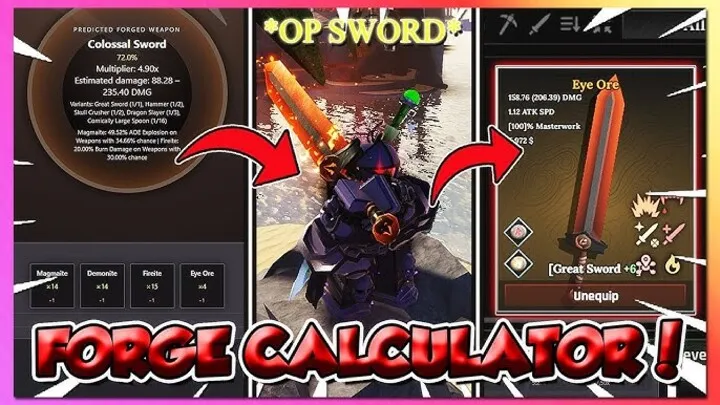
Everything you gather eventually leads you to the forge, the heart of the entire game. Crafting in The Forge feels deeper than a typical Roblox experience, but still approachable. You begin with basic forges where simple iron swords and wooden shields are created; as you move into stronger regions, you unlock advanced forges capable of producing steel blades, reinforced armor, enchanted staves, and other mid-game gear. The Arcane Forge—often considered the true milestone—becomes the point where players finally start shaping their identity as warriors, rangers, or mages. Even though the game does not assign classes, the weapons you choose naturally guide your playstyle. A heavy iron greatsword rewards aggressive close-quarters combat, while a staff or bow pushes you toward ranged positioning and resource management. Every crafted item brings you closer to mastering your preferred combat flow.
Combat itself becomes far more engaging than it first appears. At the beginning, most enemies fall easily to basic attacks, but once you travel deeper into corrupted zones or elemental regions, dodging and movement become essential. The Forge features a responsive roll mechanic, letting you evade heavy swings or magical bursts from tougher monsters. Players who get comfortable with timing their dodges early gain a massive advantage later. Positioning matters too: enemies telegraph attacks in patterns you can learn, and stronger foes often require switching between blocking, dodging, and counterattacking at the right moment. Boss fights amplify this further, forcing you to read animations, control your stamina, and react dynamically rather than spamming attacks.
As you grow stronger, the world gradually opens up. New biomes become accessible once you craft the tools needed to survive in them, and each biome contains materials unavailable anywhere else. The desert introduces heat-forged metals used for advanced blades; volcanic regions hold rare crystalized essence for magical weapons; forest ruins hide alchemical ingredients that form the backbone of late-game armor. The deeper you explore, the more the game rewards you with branching crafting paths, rare drops, hidden chests, and new enemy types that encourage experimentation. This steady expansion is what keeps The Forge addictive—every step into a new zone directly impacts what you can craft next.
Eventually, your progression evolves from simple weapon upgrades into true build-crafting. You begin deciding whether you want a fast, agile loadout with lighter blades or a heavy, tank-oriented setup with reinforced armor and massive weapons. Magical builds demand a blend of monster drops and essence, rewarding accuracy and timing over raw strength. Hybrid builds let you swap between playstyles depending on the enemy. The game never tells you which is best, and that freedom is exactly why so many players sink hours into refining their perfect setup.
By the time you reach high-tier regions and unlock the strongest forges, The Forge becomes less about survival and more about mastery. Efficient farming routes, advanced movement techniques, boss rotations, and crafting optimization define the late-game experience. Whether you're farming for legendary materials, hunting rare monsters, or refining enchanted gear, everything you’ve learned along the way comes together. This is where the game’s title becomes literal—you’ve forged not only your equipment but your own playstyle, skillset, and identity within the world.
Advanced Tips and Strategies for Roblox: The Forge
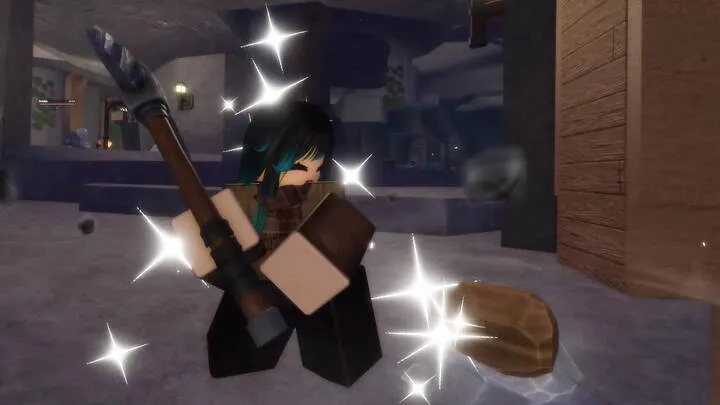
Once you have mastered the basic loop of gathering, forging, and fighting, The Forge begins to reward more advanced strategies that distinguish casual players from true experts. One of the first things to understand is resource prioritization. While iron, wood, and copper are abundant, late-game crafting requires mythic ores, rare essences, and monster-specific drops. Players who plan their farming routes carefully, revisiting the same zones at optimal respawn intervals, can accumulate these materials much faster than simply wandering aimlessly. Knowing which enemies drop the essence you need or which environmental nodes regenerate most efficiently can drastically reduce the time required to craft high-tier weapons.
Another critical aspect is combat optimization. In higher-level zones, enemies hit hard and often attack in complex patterns. Learning to combine dodging, blocking, and counterattacks is essential. Rolling at the right moment can prevent devastating damage, and positioning yourself to exploit enemy attack telegraphs will allow you to hit multiple foes while taking minimal risk. Additionally, swapping weapons during combat is crucial; lighter weapons allow quicker attacks against fast-moving enemies, while heavier weapons deal maximum damage on larger or armored targets. Mastering this dynamic approach to combat makes a significant difference when facing elite bosses.
Weapon and gear selection evolves as you progress. Early-game equipment focuses on raw power, but as you unlock more advanced forges, the importance of specialization and enchantments becomes apparent. Players must decide whether to focus on melee strength, ranged attacks, or magical power. Hybrid builds are possible but require careful planning to balance stats, weapon types, and enchantments. Experimenting with different loadouts in early and mid-game zones will reveal the most effective combinations for late-game challenges. This experimentation is also important for solo versus team play; some builds excel in cooperative fights, while others dominate solo encounters.
Exploration strategy is another factor that separates average players from experts. The Forge is full of hidden caves, secret chests, and rare monsters that drop unique crafting materials. Players who take the time to explore thoroughly, rather than following obvious paths, are often rewarded with equipment that gives them an edge in combat and crafting. In addition, understanding the environmental hazards of each biome—such as lava zones, poison swamps, or frost fields—allows you to plan your gear and approach accordingly. Preparation in the form of the right resistances or movement-enhancing gear can be the difference between smooth progression and repeated deaths.
Finally, success in The Forge also comes from long-term planning and efficiency. Keeping multiple sets of gear for different scenarios, knowing when to upgrade weapons versus saving resources for the next tier, and optimizing travel and combat patterns all contribute to becoming a high-level player. Experienced players often maintain a mental map of the game’s resource distribution and enemy spawns, allowing them to farm in a highly efficient circuit. Combining this knowledge with advanced combat techniques and strategic crafting ensures that each hour spent in the game is maximized, turning time investment into consistent progression.
By following these advanced tips, players not only survive but thrive in Roblox: The Forge. The game rewards thoughtful preparation, adaptability, and mastery of its interconnected systems. From resource farming to combat mechanics and gear optimization, every action contributes to the creation of a unique playstyle. The ultimate goal is not just to forge powerful weapons, but to forge yourself into a player capable of tackling any challenge the world of The Forge presents. Those who invest the time to understand these deeper systems will find the game endlessly rewarding, with a sense of progression and accomplishment that few Roblox titles can match.
Conclusion: Mastering Roblox: The Forge