Sharpening Your Skills: A Comprehensive Guide to Becoming a Counter-Strike 2 Master
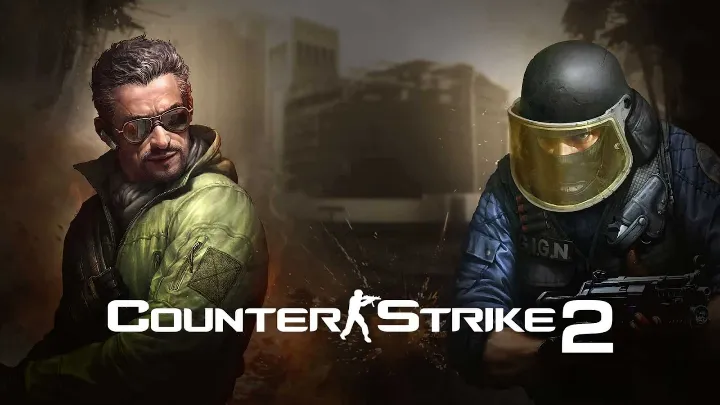
Counter-Strike 2 (CS2) is more than just a first-person shooter (FPS); it is an intense tactical arena where individual skill, team coordination, and split-second decision-making determine victory or defeat. Inheriting the illustrious legacy of CS:GO, CS2 brings significant improvements in graphics, sound, and notably, the groundbreaking volumetric smoke system, which opens up fresh tactics and elevates the competitive experience. Whether you are a rookie just stepping into the world of CS, a CS:GO veteran adapting to the new engine, or a seasoned player looking to optimize your gameplay, this article serves as your compass to sharpening your skills, mastering every aspect of the game, and climbing the ranks to become a pro. We will explore everything from basic settings, movement, and aiming to advanced strategies, mental fortitude, and utility mastery.
1. Perfect Preparation: Optimizing Initial Settings
Before stepping onto the battlefield, setting up an optimal gaming environment is the first and most crucial step. CS2 demands high precision, and every minor detail in your settings can directly impact your performance. A proper setup not only ensures the game runs smoothly but also provides the most comfortable control feel.
1.1. Video Settings and Performance: FPS is King
A high and stable frame rate (FPS) is the key factor in a competitive FPS like CS2. To achieve peak performance, you need to adjust graphics settings to balance visual quality and FPS. The goal is the highest possible FPS without stuttering, ensuring every action is fluid and responsive.
- Resolution: Most pro players use lower resolutions (e.g., 1280x960 or 1024x768) with a 4:3 stretched aspect ratio to make player models appear larger. However, if you prefer 16:9 or 16:10, stick with what feels natural. Comfort is paramount.
- Display Mode: Always select "Fullscreen Exclusive" to optimize performance and minimize input lag.
- Advanced Video Settings:
- Global Shadow Quality: Medium or High (shadows help detect enemies).
- Model/Texture Detail: Medium or High (minimal FPS impact).
- Shader Detail: Low (to boost FPS).
- Particle Detail: Low (crucial for performance around smoke).
- Ambient Occlusion, HDR, FidelityFX Super Resolution: Off or Low for max FPS.
- Vertical Sync (V-Sync): Always OFF to avoid input lag.
- NVIDIA Reflex Low Latency: On + Boost (if compatible) to reduce system latency.
1.2. Mouse Settings: Absolute Precision
Your mouse is your most important tool. Finding the right sensitivity is the key to accurate aiming and recoil control. There is no "perfect" number, but generally, lower sensitivity offers better precision.
- Mouse DPI: Most pros use 400 or 800 DPI.
- In-game Sensitivity: Combine DPI and in-game sensitivity to find your eDPI (effective DPI). Formula: eDPI = DPI × Sensitivity. Most pros stay within the 800-1200 eDPI range.
- Mouse Acceleration: Always OFF. It makes your cursor movement inconsistent based on speed, ruining muscle memory.
- Raw Input: ON. This ensures the game receives direct signals from the mouse without Windows interference.
1.3. Crosshair Settings: Your Personal Signature
The crosshair is an extension of your eyes. A clear, non-distracting crosshair tailored to your preference will improve your aim.
- Color: Choose a high-contrast color (e.g., Green or Cyan).
- Style: Style 4 (Classic Static) is the most popular for stability.
2. Mastering Movement: The Foundation of Every Play
Movement in CS2 isn't just about walking; it’s a complex skill involving positioning, evasion, peeking, and dodging.
2.1. ADAD Strafe and Counter-Strafing
- ADAD Strafe: Rapidly tapping A and D makes you a harder target to hit while moving horizontally.
- Counter-Strafing: To stop and shoot accurately while moving (e.g., holding A), tap the opposite key (D) instantly. This brings your character to a dead stop, allowing for maximum accuracy.
2.2. Peeking and Holding Angles
- Shoulder Peek: Peeking just enough to show your shoulder to bait a shot or gain info safely.
- Jiggle Peek: Combining ADAD strafing with peeking to quickly gather info and retreat.
- Wide Peek: Moving far out of cover to surprise an enemy holding a tight angle.
- Holding Angles: Stand at an appropriate distance from the corner. Don't hug the wall, as the enemy will see you first due to perspective geometry.
3. The Art of Aiming: Aiming and Spray Control
3.1. Crosshair Placement: Aim Ready
This is the most overlooked skill. Instead of reacting to an enemy, proactively place your crosshair where an enemy's head is likely to appear.
- Head Level: Always keep your crosshair at head height.
- Pre-aiming: Predict enemy positions and aim there before you even see them.
3.2. Spray Control: Turning Bullets into a Straight Line
Every automatic weapon has a unique recoil pattern.
- Learn the Patterns: For example, the AK-47 pulls up and right, then left. You must pull your mouse in the opposite direction.
- Burst Fire: At medium-to-long ranges, firing 2-5 round bursts is much more effective than spraying the whole magazine.
4. Economic Mastery: Managing Money Wisely
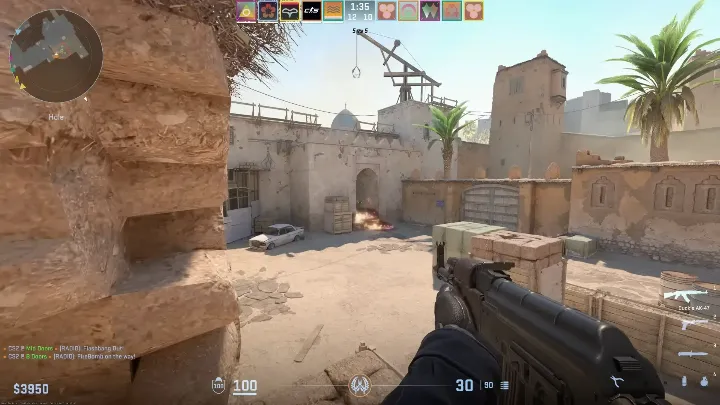
The economy is the lifeblood of CS2. Buying the right gear at the right time can change the game's momentum.
- Eco Round: Save money by buying nothing or just a pistol to ensure a "Full Buy" next round.
- Force Buy: Buying whatever you can (SMGs/Galil) despite low funds to break the opponent's winning streak.
- Full Buy: Buying Rifles (AK/M4), Kevlar + Helmet, and full utility.
- Dropping Weapons: If you have extra cash, buy for a teammate who is low on funds.
5. The Importance of Utilities: Tactical Weapons
5.1. Smoke: Screening and Sectioning
With volumetric smoke, bullets now create temporary holes, and HE grenades can dissipate smoke for a few seconds. Use this to your advantage.
5.2. Flashbang: Blinding and Executing
Learn "Pop Flashes"—flashes that explode the moment they enter an enemy's view, giving them no time to turn away.
5.3. Molotov/Incendiary: Area Denial
Use fire to flush enemies out of common hiding spots or to stop a fast "rush."
6. Smart Practice: More Than Just Playing
- Workshop Maps: Use maps like Aim Botz or Recoil Master to train your muscle memory.
- Deathmatch: Play DM to practice raw aim and reactions without economic pressure.
- Demo Review: Watch your own replays to identify mistakes in positioning or decision-making.
7. Communication and Teamwork: Collective Strength
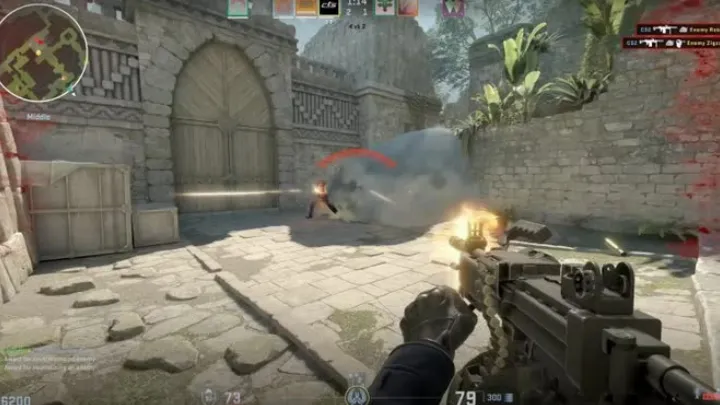
CS2 is a team game.
- Callouts: Learn the specific names of locations on every map (e.g., "Catwalk," "Jungle," "Apartments"). Be concise: "Two Short, one with AK."
- Trade Kills: If a teammate dies, immediately move in to kill the enemy who shot them. Never let a teammate die "for free."
8. Map Knowledge: Knowledge is Power
Understand "Rotations"—the paths players take to move between bomb sites. Knowing how long it takes to run from Site A to Site B is crucial for timing your utility or flank.
9. Combat Psychology: Maintaining Mental Fortitude
- Stay Calm Under Pressure: Especially in "clutch" situations (1 vs. many). Breathe and think logically.
- Avoid Toxicity: Blaming teammates ruins morale. Focus on constructive feedback or simply playing the next round better.
10. Continuous Improvement: A Never-Ending Journey
- Adapt to the Meta: Watch Pro Tournaments (Majors, IEM) to see new utility lineups and strategies.
- Find Good Teammates: Playing with a consistent group improves communication and makes the game more enjoyable.
Conclusion
Counter-Strike 2 is a challenging yet rewarding journey. By combining individual mechanics with tactical depth and a strong mental game, you can rise through the ranks. Keep practicing, stay humble, and most importantly, enjoy the thrill of the hunt. Good luck, and have fun!
A comprehensive CS2 guide covering settings, aim, movement, utility, economy, and mental game to help players transition from beginners to pro-level masters.