






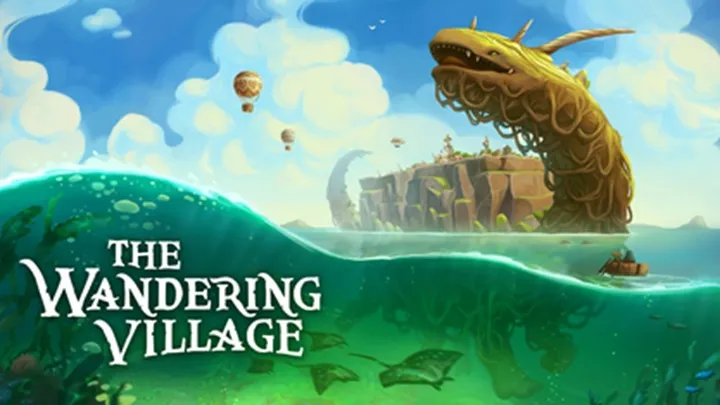
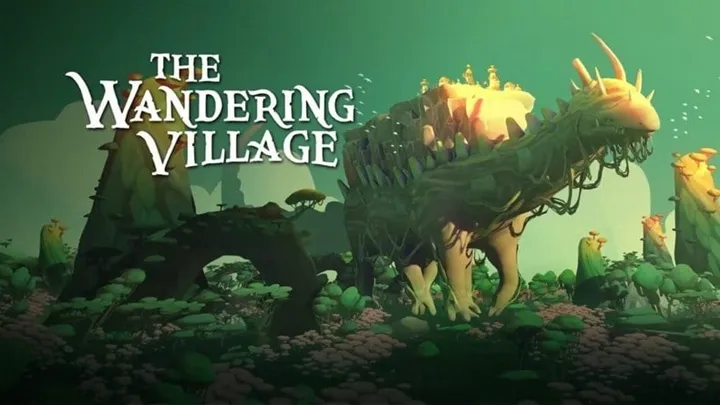
The Wandering Village is a thoughtful and atmospheric hot game that blends survival city-building with environmental storytelling and moral decision-making. Set in a world overtaken by toxic spores, players are tasked with building and managing a village that lives on the back of a giant wandering creature called Onbu. Learning how to coexist with this living being while keeping your people alive is the central challenge of the game.
Unlike traditional city builders focused purely on expansion and efficiency, The Wandering Village emphasizes balance, sustainability, and empathy. This article explores the full experience of the game, guiding players from early survival to long-term mastery, and explaining why it has become a standout hot game in the strategy genre.
1. Introduction to The Wandering Village and Its Unique Concept
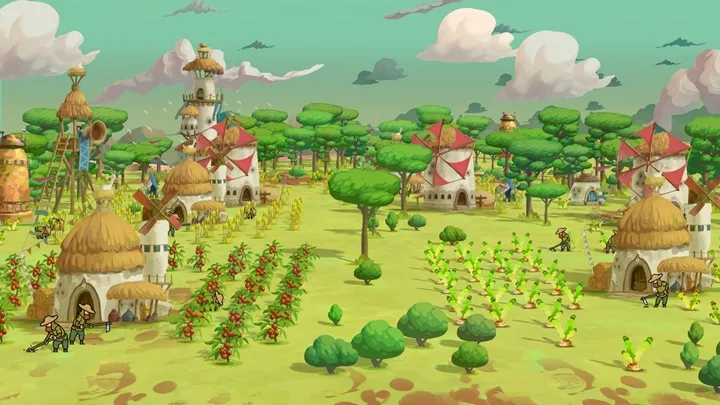
The Wandering Village immediately distinguishes itself through its premise. Instead of settling on static land, your village travels across a dangerous world atop a colossal creature.
This concept transforms the game into a hot game because it adds a living ecosystem to city management. Players must learn how to adapt not only to environmental threats but also to Onbu’s behavior and needs.
The emotional connection between villagers and Onbu adds depth rarely seen in city-building games, making every decision feel meaningful.
2. How to Start Surviving in The Wandering Village
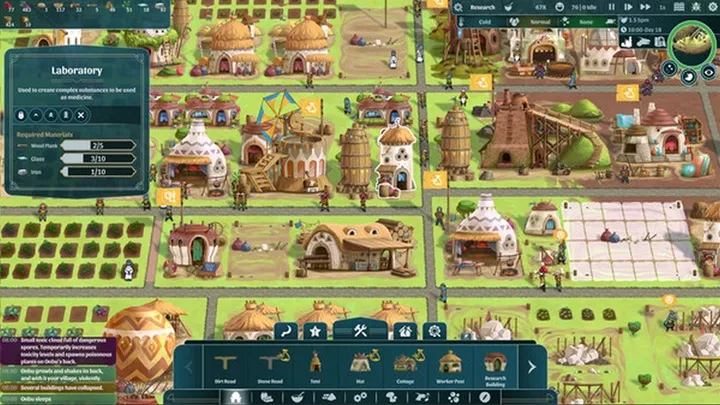
Early survival in The Wandering Village focuses on essentials: food, water, shelter, and trust. Players begin with limited resources and must act carefully.
Learning how to prioritize tasks prevents early collapse. Gathering food, setting up housing, and establishing research are critical in the opening stages.
Beginner survival tips:
- Focus on food production early
- Avoid overbuilding
- Monitor villager happiness
A stable start sets the tone for long-term success.
3. Core Gameplay Mechanics Explained
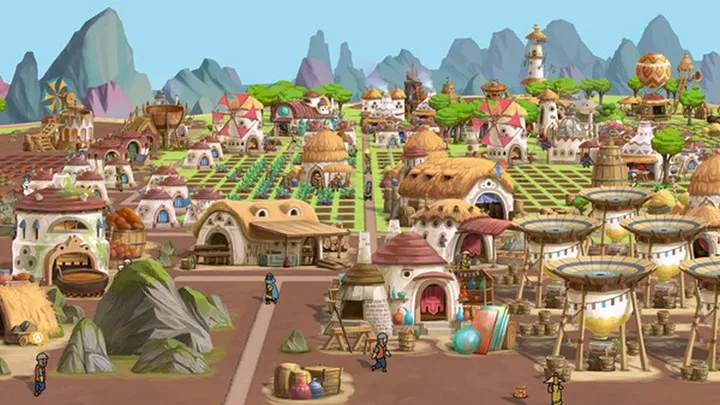
The core mechanics of The Wandering Village combine traditional city-building with survival management. Villagers have needs, skills, and morale that directly impact productivity.
Understanding how to manage supply chains is essential. Every resource depends on others, creating a delicate balance.
Key mechanics include:
- Resource production chains
- Villager health and morale
- Environmental hazards
These systems require constant attention and adaptation.
4. Onbu and the Living World System
Onbu is not just a platform—it is a living being with its own needs, moods, and reactions. Your actions affect Onbu directly.
Players must learn how to treat Onbu responsibly. Feeding, healing, and respecting it improves cooperation, while exploitation can lead to resistance.
Onbu-related interactions include:
- Feeding and healing stations
- Directional control attempts
- Trust-based behavior changes
This relationship defines the game’s emotional core.
5. How to Manage Resources and Production Efficiently
Resource management is the backbone of The Wandering Village. Food, wood, stone, and medicine must be produced sustainably.
Knowing how to plan production layouts improves efficiency and reduces waste. Poor planning can lead to shortages and illness.
Resource management strategies:
- Balance production with population growth
- Store surplus for emergencies
- Avoid toxic zones when harvesting
Efficiency ensures survival in harsh environments.
6. Why The Wandering Village Is a Hot Game
The Wandering Village stands out as a hot game because it challenges players to think ethically as well as strategically. Choices are rarely black and white.
Players learn how to balance human survival with environmental responsibility. Exploiting Onbu may offer short-term gain but long-term consequences.
Reasons for popularity:
- Emotional storytelling
- Unique gameplay mechanics
- Relaxing yet tense atmosphere
The game rewards thoughtful play.
7. Environmental Hazards and How to Overcome Them
The world outside the village is filled with toxic biomes, extreme weather, and hostile conditions. These hazards constantly threaten survival.
Learning how to prepare for disasters is essential. Protective buildings, research, and planning reduce risks.
Common hazards:
- Toxic spores
- Heat waves and cold zones
- Resource scarcity
Prepared villages endure longer journeys.
8. Research, Technology, and Progression
Research unlocks new buildings, upgrades, and survival tools. Progression in The Wandering Village is gradual and meaningful.
Knowing how to choose research paths shapes your strategy. Some players focus on sustainability, while others prioritize control over Onbu.
Research benefits include:
- Improved food efficiency
- Better health management
- Enhanced environmental resistance
Smart research decisions define success.
9. Population Management and Social Balance
Villagers are individuals with needs, emotions, and limits. Overworking them leads to illness and dissatisfaction.
Learning how to manage population growth prevents strain on resources. Balanced workloads improve morale and productivity.
Population management tips:
- Avoid overcrowding
- Monitor stress levels
- Provide rest and leisure
Healthy villagers form a resilient community.
10. Long-Term Survival and Mastery
Long-term mastery in The Wandering Village requires foresight and adaptability. The journey never truly ends, and challenges escalate.
Players who learn how to anticipate environmental changes and maintain harmony with Onbu thrive the longest.
Reasons for replay value:
- Procedural world generation
- Multiple strategic approaches
- Emotional decision-making
Every playthrough feels different.
Conclusion: Why The Wandering Village Is a Memorable Experience
The Wandering Village earns its place as a hot game by redefining what a city-builder can be. Its focus on coexistence, sustainability, and emotional connection offers a refreshing alternative to traditional strategy games. By learning how to manage resources, care for Onbu, and guide your people responsibly, players experience a deeply meaningful journey through a hostile yet beautiful world.