TOP 4 APPS – FULL LONG-FORM ANALYSIS

(TikTok, Instagram, Spotify, YouTube)

Introduction – The Digital App Landscape of 2025

Mobile applications shape how people watch, communicate, discover, shop, learn, listen, and express themselves. The modern app ecosystem is no longer defined by simple features; instead, it revolves around user behavior, algorithmic intelligence, personalization, content ecosystems, and retention mechanics.

In 2025, four major apps dominate global usage and cultural influence:

TikTok

Instagram

Spotify

YouTube

These platforms do more than attract billions of users — they actively shape global culture, creator careers, online business models, entertainment habits, and the economics of attention.

This long-form analysis breaks down each app’s core systems, design philosophy, recommendation logic, strengths, weaknesses, and their roles in the modern digital world.

1. TIKTOK – The Algorithm That Redefined Entertainment

TikTok has transformed from a short-video platform into a dominant engine of cultural trends and algorithm-driven content discovery. Its design philosophy differs fundamentally from older platforms.

1.1. Core Identity and UX Structure

TikTok operates on a simple but revolutionary idea:

Users do not need to search or follow to find relevant content; the system finds it for them.

The For You Page (FYP) is the center of the experience. TikTok’s UI reflects this priority:

content-first interface

uninterrupted vertical feed

minimal navigation elements

fast content cycling

extremely short feedback loop (watch → swipe → analyze → adjust feed)

This creates a highly addictive, instant-gratification experience.

1.2. The Viral Distribution Engine

TikTok’s virality is not accidental; it is engineered. Its distribution system functions in “tiers”:

The video is shown to a small test group.

If it performs well, it escalates to a larger group.

Performance is constantly re-evaluated.

No creator is permanently favored; only high-performing content is.

This allows:

unknown users to go viral

niche trends to scale quickly

old sounds or clips to resurface

brands to achieve massive reach with low budgets

TikTok democratizes visibility more than any other app.

1.3. TikTok as a Search Engine

A major shift in 2024–2025 is TikTok becoming the default search platform for younger users.

People now look up:

product reviews

tutorials

travel tips

makeup routines

fashion inspiration

recipes

tech advice

TikTok’s search system ranks results by relevance, watch time, engagement, and topic clustering, making it a true hybrid of a social network and a visual search engine.

1.4. Strengths and Limitations

Strengths

unmatched content discovery

extremely high engagement

fast trend generation

easy for creators to grow

Limitations

short attention span reinforcement

high content turnover

algorithmic “echo chambers”

limited long-form depth

Despite this, TikTok remains the most influential entertainment platform in the world.

2. INSTAGRAM – The Hybrid Network of Identity, Lifestyle, and Discovery

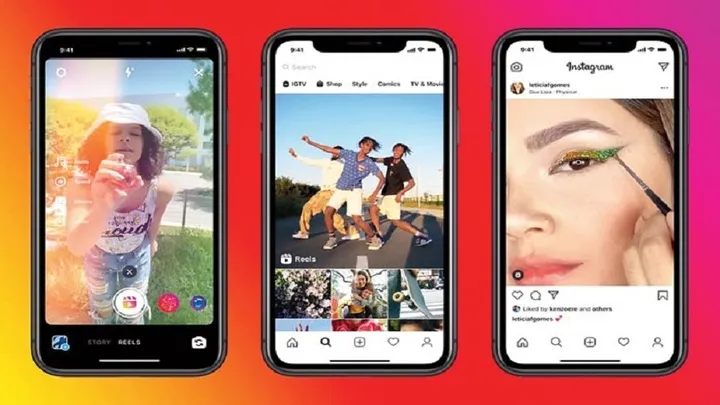
Instagram has evolved from a photo-sharing app into a multi-layered ecosystem blending social relationships, creator content, shopping, and video features.

2.1. Platform Evolution and Structure

Instagram now includes:

Feed (photos, carousels, long captions)

Reels (short videos and discovery-focused content)

Stories (fleeting, daily-life communication)

Direct Messaging

Shopping tags and brand catalogs

Broadcast channels

Live videos

Its hybrid structure allows it to serve both personal expression and commercial activity.

2.2. Reels and Competitive Positioning

Reels were Meta’s strategic response to TikTok. Reels emphasize:

high reach potential

algorithmic discovery

visual storytelling

cross-posting between platforms (Facebook → IG)

Reels are now a critical part of creator growth. However, unlike TikTok, Instagram still relies heavily on real social connections, which maintains a “community identity” feel.

2.3. The Instagram Algorithm

Instagram uses a dual algorithm approach:

Interest-based signals

topics you interact with

genres you like

content types you prefer

Social graph signals

accounts you message

friends and family content

people you frequently engage with

This makes Instagram excellent for:

lifestyle content

fashion and beauty

fitness niches

influencer marketing

brand-based content

2.4. Business and Commerce Integration

Instagram is now the primary platform for:

small businesses

fashion stores

local shops

lifestyle brands

creators monetizing personal branding

Features that support this include:

shoppable posts

product tagging

Instagram Ads

DM-based sales

Reels as organic marketing

boosted posts for micro-retailers

Instagram has become a central digital marketplace powered by visual engagement.

3. SPOTIFY – The World’s Most Personalized Audio Platform

Spotify dominates the music streaming space due to its unmatched personalization engine and seamless user experience.

3.1. The Personalization Engine and Data Models

Spotify collects and analyzes large-scale listening data, including:

user mood

time of day

favorite genres

skip patterns

playlist behavior

discovery habits

Spotify’s AI curates playlists such as:

Discover Weekly

Daily Mixes

Release Radar

This creates a deeply personalized audio environment that feels “tailored to the user,” differentiating Spotify from competitors.

3.2. UI/UX Philosophy

Spotify follows a minimalist, distraction-free approach:

dark UI for focus

simplified navigation

clean playlist management

consistent design across devices

This makes Spotify ideal for multi-hour listening sessions.

3.3. Expansion Into Podcasts and Audiobooks

Spotify has expanded into:

exclusive podcast deals

creator podcast tools

audiobook access

talk shows and long-form content

The company is building a unified audio ecosystem — everything except video.

3.4. Social and Community Features

Spotify includes subtle but effective social features:

Live Activity sharing

friend listening activity

collaborative playlists

shareable story-style tracks

These help Spotify remain relevant in a social media-driven world while still focusing on audio-first experiences.

4. YOUTUBE – The King of Video and the Anchor of the Creator Economy

YouTube remains the most powerful video platform globally, with unmatched content variety, long-form presence, and revenue opportunities for creators.

4.1. Content Depth and Breadth

YouTube is the only platform capable of hosting every content type:

long-form educational content

documentaries

vlogs

live streams

gaming

music videos

reviews

tutorials and how-to guides

podcasts

Shorts

Its library size, diversity, and searchability are unparalleled.

4.2. Shorts and Algorithmic Discovery

Shorts were introduced to compete with TikTok.

Key advantages:

integrates directly with long-form channels

drives traffic to full videos

increases audience visibility

works with the same subscription system

Shorts are now a primary top-of-funnel discovery tool for creators.

4.3. Recommendation and Session-Based AI

YouTube’s recommendation AI focuses heavily on:

session length

user interest profiling

watch history

content retention signals

YouTube’s goal is not just showing one good video but keeping you on the platform for the entire session.

4.4. The Strongest Creator Monetization System

YouTube provides the deepest earning ecosystem:

Ad revenue sharing

YouTube Premium revenue

Superchat

Memberships

Brand integrations

Shorts fund / Shorts ad revenue

Merch shelf

For creators, YouTube remains the most stable and scalable long-term platform for income and community building.

Comparative Analysis, User Behavior, Social Impact, and Marketing Applications

Now that each platform has been individually broken down, we can analyze how they compare, how users behave across them, and how these apps collectively shape modern digital culture and marketing ecosystems.

5. Cross-Platform Comparison: How the Four Apps Differ

Although TikTok, Instagram, Spotify, and YouTube all dominate their categories, they operate with very different philosophies and audience expectations. Understanding those differences is essential for creators, marketers, and businesses.

5.1. Discovery vs. Social Graph vs. Intent-Based Platforms

Each app belongs to a distinct functional category:

TikTok: Discovery-First

TikTok depends almost entirely on algorithmic discovery rather than social connections.

Users rarely search or follow — they simply consume what is presented.

Core traits: fast-paced, trend-driven, unpredictable, high-virality.

Instagram: Social-Graph Hybrid

Instagram blends social relationships with interest-based discovery.

People care about who they follow, not only what they watch.

Core traits: identity-centric, lifestyle-oriented, community-based.

Spotify: Personalization-Based

Spotify is built on predictive personalization, not social or viral mechanics.

Core traits: mood-driven, routine-based, habit-forming.

YouTube: Intent + Long-Term Discovery

YouTube mixes algorithmic discovery with active searching and conscious consumption.

Core traits: educational, long-form depth, evergreen content.

Each platform fulfills entirely different emotional and functional needs.

5.2. Content Longevity

YouTube

Videos can stay relevant for years. Searchability makes content evergreen.

Spotify

Playlists and albums maintain long-term value. Users re-listen repeatedly.

Instagram

Posts decay quickly except Reels, which provide extended reach.

TikTok

Most content has an extremely short life cycle — trends die fast.

This is why creators “invest” long-term on YouTube more than any other platform.

5.3. Creator Growth Difficulty

From easiest to hardest:

TikTok – fastest growth, lowest barrier

YouTube Shorts – good visibility but requires long-form for sustained growth

Instagram Reels – strong reach but competitive

YouTube Long-Form – hardest, but highest long-term reward

TikTok feels exciting but unstable for creators. YouTube takes more effort but offers career-level stability.

6. User Behavior Across the Platforms

User psychology differs drastically across apps. People open each platform for completely different reasons.

6.1. TikTok User Behavior

Users open TikTok when they want:

instant entertainment

quick dopamine hits

humor, trends, reactions

new discoveries

escapism

TikTok sessions are short but extremely intense, and the platform excels at “continuous micro-rewards.”

6.2. Instagram User Behavior

Users open Instagram when they want:

social updates

lifestyle inspiration

fashion ideas

personal branding

shopping discovery

Instagram is aspirational — people curate their “ideal self” and connect with others’ curated identities.

6.3. Spotify User Behavior

Users open Spotify for:

mood regulation

focus, productivity, and routines

emotional fulfillment

relaxation or stimulation

consistent daily habits

Spotify is not entertainment-only; it is part of users’ lifestyle infrastructure.

6.4. YouTube User Behavior

Users open YouTube when they want:

long-form entertainment

learning or research

reviews before purchasing

deep dives into a topic

serious content creators

YouTube users are more intentional, which is why ads convert more consistently.

7. Cultural, Economic, and Social Impact

The four apps do not simply reflect culture — they actively shape it.

7.1. TikTok’s Cultural Impact

TikTok influences:

global music charts

fashion trends

meme culture

slang and language

consumer buying behavior

viral product cycles

Brands cannot ignore TikTok if they target Gen Z.

7.2. Instagram’s Social Identity Impact

Instagram shapes:

beauty standards

lifestyle aspirations

personal branding norms

digital social etiquette

micro-influencer economies

It reinforces curated reality and aspirational living.

7.3. Spotify’s Emotional Impact

Spotify influences:

emotional state regulation

productivity

personal taste profiles

cultural exposure through playlists

Music becomes personalized identity.

7.4. YouTube’s Educational & Economic Impact

YouTube serves as:

the world’s largest free education platform

the foundation of the creator economy

a career platform for millions

a global library of tutorials and guides

Its cultural influence spans every age group.

8. Marketing Applications: How Brands Use Each Platform

Understanding the marketing strengths of each platform is essential for digital strategy.

8.1. TikTok Marketing Strategy

TikTok is ideal for:

fast brand awareness

viral product moments

trend-based content

influencer seeding

user-generated content

Best industries:

beauty

fashion

food

lifestyle

tech accessories

Brands succeed when they behave creatively, not corporately.

8.2. Instagram Marketing Strategy

Instagram is ideal for:

brand identity storytelling

aesthetic product presentation

fashion and beauty campaigns

community engagement

DM-based selling

Best industries:

lifestyle brands

clothing stores

jewelry and cosmetics

fitness

home decor

High-quality visuals matter more here than anywhere else.

8.3. Spotify Marketing Strategy

Spotify is ideal for:

audio ads targeting mood or demographic

podcast sponsorship

branded playlists

music placement for creators

long-term brand awareness

It’s less direct but extremely powerful for brand positioning.

8.4. YouTube Marketing Strategy

YouTube is ideal for:

long-form product reviews

tutorials and educational ads

influencer collaborations

unboxing videos

brand documentaries

Best industries:

tech

gaming

automotive

education

lifestyle guides

YouTube converts consideration → purchase more strongly than TikTok or Instagram.

9. Trends and Future Predictions (2025–2030)

The digital ecosystem is evolving rapidly. Here are the strongest long-term predictions.

9.1. Rise of Multi-Format Creators

Creators will no longer rely on a single platform. They will:

use TikTok for quick discovery

use Instagram for identity and community

use YouTube for long-form authority

integrate Spotify via podcasts

Full-spectrum creators will dominate.

9.2. Search Will Become Video-First

Younger generations will increasingly search on:

TikTok

YouTube Shorts

Instagram Reels

Text search will decline in relevance for lifestyle categories.

9.3. AI-Powered Personalization Will Intensify

Spotify and TikTok already lead this trend, but all four apps will:

analyze emotion

detect mood

segment micro-behaviors

personalize feeds in real-time

User journeys will become hyper-individualized.

9.4. Creator Monetization Will Expand

YouTube currently leads, but Instagram and TikTok will expand revenue programs.

Creators will become independent “mini-businesses.”

10. Conclusion — How the Four Apps Shape the Modern Digital World

TikTok, Instagram, Spotify, and YouTube dominate not because they are popular, but because they each serve a unique psychological and functional role.

TikTok delivers instant discovery and viral culture.

Instagram creates identity, lifestyle, and visual commerce.

Spotify anchors emotional and daily routines through audio.

YouTube offers depth, education, and a sustainable creator economy.

Together, they form the core of modern digital life — shaping culture, business, entertainment, and social connection at a global scale.

Future Trends Shaping Mobile Apps (2025 and Beyond)

The mobile app ecosystem is evolving faster than ever. As flagship apps like TikTok, Instagram, Spotify, and CapCut push boundaries, several trends are emerging that will define the next wave of innovation.

5.1 AI-Native Apps Become the Standard

AI is no longer a feature; it is becoming the foundation of every top-tier application.

Editing apps like CapCut now generate auto-captions, smart masks, and AI-driven transitions.

Social platforms use AI for recommendations, moderation, and behavior prediction.

Music apps generate personalized playlists through machine learning.

Soon, we will see:

AI-generated video templates.

Fully automated social media posting workflows.

Real-time translation layers in communication apps.

AI music mixing and auto-mastering tools.

5.2 Short-Form Video Dominates the Digital Economy

Short video apps continue to reshape:

Marketing strategies

Influencer ecosystems

E-commerce discovery

Entertainment consumption

TikTok’s algorithm remains one of the most impactful digital technologies of the decade. Competitors such as Instagram Reels and YouTube Shorts follow the model, but TikTok still leads in velocity of content discovery.

5.3 “Create-on-Mobile” Becomes the New Professional Standard

Mobile-first creation replaces desktop workflows across industries:

Filmmakers using 4K smartphone shooters + CapCut editing

Musicians recording vocals directly into mobile DAWs

Designers creating thumbnails and product shots using mobile AI tools

The idea that “serious work requires a PC” is disappearing as mobile apps reach professional capability.

5.4 Social Commerce Takes Over

Platforms integrate:

Native shops

In-app checkout

Creator affiliate systems

AI product tagging

The future online store will not be a website;

it will be a TikTok or Instagram video.

5.5 Hyper-Personalization & Behavioral UX

Mobile apps are gradually tailoring the entire user experience around individual behaviors:

Adaptive home feeds

Predictive shortcuts

Suggested playlists, templates, filters

At-the-right-moment push notifications

This leads to higher engagement — but also raises questions about privacy and algorithmic influence.

6. Detailed Analysis of Each App’s Ecosystem

Below is a continuation of the deep-dive analysis for each of the four major apps.

6.1 TikTok: The Reinvention of Mass-Culture

6.1.1 Strengths

Fastest discovery algorithm in digital history

Dominates Gen Z and Gen Alpha culture

Seamless combining of entertainment, education, and commerce

Massive creator incentive ecosystem

6.1.2 Weaknesses

Highly saturated environment for new creators

Monetization still inconsistent outside the U.S.

Content lifespan extremely short (12–48 hours)

6.1.3 Industry Impact

TikTok forced every platform to adopt:

Vertical video

Ultra-short content

Infinite scroll

AI-assisted recommendation engines

It has single-handedly changed how people learn, buy, laugh, and socialize.

6.2 Instagram: The All-Purpose Digital Identity Hub

6.2.1 Strengths

A polished aesthetic-driven environment

Strong e-commerce tools (shops, tags, DMs)

Reels provides massive organic reach

Strong direct messaging infrastructure

6.2.2 Weaknesses

Algorithm inconsistent across countries

Content creation requires higher quality than TikTok

Engagement declining for traditional photo posts

6.2.3 Industry Impact

Instagram is now:

A portfolio

A business card

A shop

A messaging platform

A creator hub

It maintains cultural relevance by continuously adapting to TikTok’s format.

6.3 Spotify: The World’s Audio Operating System

6.3.1 Strengths

Leading music recommendation engine

Seamlessly blends music and podcasts

Massive device ecosystem (phones, PCs, smart TVs, cars, speakers)

6.3.2 Weaknesses

Creator payout rate is controversial

Competitors like Apple Music and YouTube Music keep improving

Podcast content sometimes too clustered

6.3.3 Industry Impact

Spotify transformed audio consumption by:

Prioritizing personalization

Building social playlists

Promoting independent creators

Treating audio as a global cultural product

Spotify is no longer a music product — it is an audio lifestyle platform.

7. Expert Comparison: Which App Leads in Which Category?

CategoryLeaderReasonShort-form entertainmentTikTokFastest algorithm + high viralityAesthetic lifestyle & e-commerceInstagramVisual-first design + shop integrationsMusic & podcastsSpotifyBest audio recommendation engineMobile editingCapCutPowerful & beginner-friendly tools

Each app dominates its own category — which creates a complementary ecosystem rather than direct competition.

8. Final Verdict: Why These 4 Apps Define the Mobile Era

These four apps represent the pillars of modern digital life:

TikTok represents culture.

Instagram represents identity.

Spotify represents sound.

CapCut represents creation.

Together, they form a complete digital loop:

You consume trends on TikTok

You build your brand on Instagram

You listen & learn on Spotify

You create content with CapCut

This ecosystem shapes how people work, connect, create, and run businesses in 2025.

Name & Description (SEO-Optimized)

Name:

Top 4 Mobile Apps of 2025: Full Analysis, Trends, and Expert Breakdown

Description:

A comprehensive, in-depth analysis of the four most influential mobile apps of 2025 — TikTok, Instagram, Spotify, and CapCut. This long-form guide explores their strengths, weaknesses, industry impact, AI trends, creator economy influence, and the future of mobile experiences. Perfect for users, marketers, and creators seeking expert-level insights into the modern mobile ecosystem

9. Conclusion: The Apps That Shape How the World Thinks, Creates, and Connects

The modern mobile ecosystem is a living, evolving reflection of global culture — and the four apps examined in this analysis stand at the center of that transformation. TikTok redefines how trends emerge, how ideas spread, and how individuals discover entertainment at unmatched speed. Instagram remains the world’s digital identity hub, where aesthetics, community, and commerce merge into a unified social experience. Spotify continues to lead the audio revolution, shaping the way people interact with music, podcasts, and personalized soundscapes. And CapCut empowers an entire generation of creators by offering professional-grade tools directly in their hands.

Together, these apps form more than a set of digital utilities; they represent the foundation of how billions of people communicate, create, learn, shop, and express themselves every single day. They fuel new industries, reshape old ones, and continuously push the boundaries of what mobile technology can achieve.

As we move into the next era—driven by AI, short-form storytelling, immersive commerce, and mobile-first creativity—these platforms will continue to influence not only user behavior but the direction of global culture itself. Whether you are a creator, a marketer, a business owner, or simply someone who loves using mobile apps, understanding the power behind these four giants is essential to navigating the digital world of 2025 and beyond.

In the end, the story of mobile innovation is the story of people:

their voices, their ideas, their creativity, and their desire to connect.

And these four apps remain the tools that turn those desires into reality.