.webp)




Introduction
Mastering skills, combos, and core mechanics is what separates casual players from high-level competitors in Rematch. While beginners often rely on basic attacks and simple strategies, advanced players understand how to chain abilities, control timing, and outplay opponents through mechanical precision.
In competitive matches, raw aim or reaction speed is not enough. Players must know when to use abilities, how to combine them effectively, and how to maximize their impact in every situation. This is where mastering combos and mechanics becomes essential.
This ultimate guide will teach you everything you need to know about skills, combos, timing, positioning, and advanced mechanics in Rematch, helping you elevate your gameplay and dominate matches.
1. Understanding Core Skill Mechanics
Every character in Rematch is built around a set of unique abilities. Understanding how these skills work is the first step toward mastery.
Types of Skills
Most characters have:
- Primary abilities – Main source of damage
- Secondary abilities – Utility or support
- Ultimate abilities – High-impact skills with long cooldowns
Cooldown Management
Cooldowns determine how often you can use your abilities. Managing them properly allows you to:
- Maintain pressure on enemies
- Defend yourself effectively
- Control the pace of fights
Wasting abilities at the wrong time often leads to losing fights.
2. The Importance of Timing in Skill Usage
Timing is one of the most critical aspects of gameplay.
Why Timing Matters
Using a skill at the right moment can:
- Secure kills
- Save teammates
- Turn the outcome of a fight
Using it too early or too late can result in wasted opportunities.
Offensive vs Defensive Timing
- Offensive timing – Using skills when enemies are vulnerable
- Defensive timing – Saving abilities to block or escape damage
Balancing these two is key to consistent performance.
3. Basic Combos for Beginners
Combos are sequences of abilities used together for maximum effectiveness.
Simple Combo Structure
A basic combo often follows this pattern:
- Engage (gap closer or initiation skill)
- Damage ability
- Finisher or crowd control
Why Combos Are Important
Combos allow you to:
- Deal burst damage
- Control enemies
- Maximize skill efficiency
Even simple combos can significantly improve your gameplay.
4. Advanced Combo Techniques
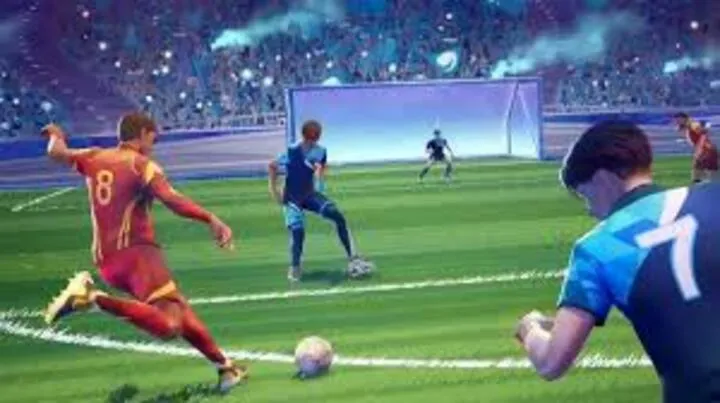
As you gain experience, you can learn more complex combos.
Combo Optimization
Advanced players focus on:
- Reducing downtime between abilities
- Canceling animations for faster execution
- Chaining skills seamlessly
Burst vs Sustained Combos
- Burst combos – High damage in a short time
- Sustained combos – Continuous pressure over time
Choosing the right combo depends on your role and situation.
5. Positioning and Mechanics Synergy
Mechanics and positioning are closely connected.
Why Positioning Affects Combos
Even the best combo will fail if you are out of position.
Good positioning allows you to:
- Land abilities more easily
- Avoid enemy attacks
- Escape after engaging
Positioning Tips for Combos
- Attack from angles
- Stay near cover
- Avoid crowded enemy areas
Smart positioning enhances your mechanical effectiveness.
6. Animation Canceling and Input Efficiency
High-level players use advanced techniques to improve speed and efficiency.
What Is Animation Canceling?
Animation canceling allows players to:
- Shorten ability animations
- Execute combos faster
- Increase damage output
Input Efficiency
Efficient players:
- Minimize unnecessary movements
- Execute abilities quickly
- Maintain control under pressure
These techniques require practice but provide a significant advantage.
7. Resource Management and Mechanics

Some abilities require resources such as energy, mana, or stamina.
Why Resource Management Matters
Poor resource management leads to:
- Inability to use key abilities
- Reduced combat effectiveness
- Vulnerability during fights
Efficient Resource Usage
To manage resources effectively:
- Avoid spamming abilities
- Save resources for critical moments
- Balance offense and defense
8. Outplaying Opponents with Mechanics
Mechanical skill allows players to outplay opponents even in difficult situations.
Techniques for Outplaying
- Baiting enemy abilities
- Dodging attacks
- Using terrain to your advantage
Mind Games
Advanced players use psychological tactics such as:
- Fake movements
- Predicting enemy reactions
- Forcing mistakes
Outplaying opponents is often more effective than direct combat.
9. Practicing Mechanics Effectively
Improvement requires focused practice.
Training Methods
To improve mechanics:
- Practice combos repeatedly
- Use training modes
- Focus on one skill at a time
Reviewing Gameplay
Watching your own gameplay helps identify:
- Mistakes
- Missed opportunities
- Areas for improvement
Consistent practice leads to steady progress.
10. Building Muscle Memory and Consistency
Consistency is the result of repetition and experience.
What Is Muscle Memory?
Muscle memory allows you to:
- Execute combos automatically
- React faster in fights
- Maintain performance under pressure
How to Build Consistency
- Practice regularly
- Play consistently
- Focus on accuracy over speed
Over time, your mechanics will become second nature.
Conclusion
Mastering skills, combos, and mechanics is essential for success in Rematch. While beginners rely on basic attacks, advanced players use precise timing, efficient combos, and strong positioning to dominate matches.
By understanding cooldowns, improving timing, and practicing advanced techniques like animation canceling, you can significantly enhance your gameplay. Combining these mechanical skills with smart decision-making and teamwork will give you a major advantage over your opponents.
With dedication and consistent practice, you can transform your gameplay and compete at the highest levels of Rematch.