.webp)
Stardew Valley Tips & Guides: A Complete Guide to Farming, Money, Skills, and Village Life
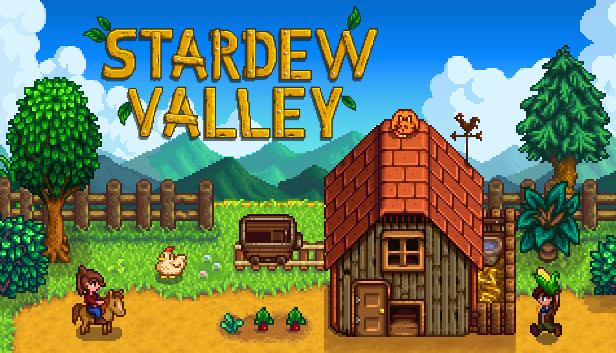
Stardew Valley is a farming and life simulation game that gives players an enormous amount of freedom from the moment they arrive in Pelican Town. You can focus on farming, explore the mines, build relationships, raise animals, fish, complete community projects, or simply enjoy the slower pace of rural life. However, that freedom can also make the early game feel overwhelming because there are many systems to learn and only a limited amount of time and energy each day.
The best way to approach Stardew Valley is not to rush every objective at once. A strong early routine can give you reliable income, better tools, useful resources, and enough flexibility to explore other activities. As your farm develops, you can gradually specialize in the activities you enjoy most while still maintaining a balanced source of money and materials.
This Stardew Valley tips and guides article walks through the most important stages of progression, from your first days on the farm to long-term optimization. Whether you are completely new to the valley or returning after a long break, these strategies can help you organize your days, earn money efficiently, improve your skills, and make better decisions throughout the year.
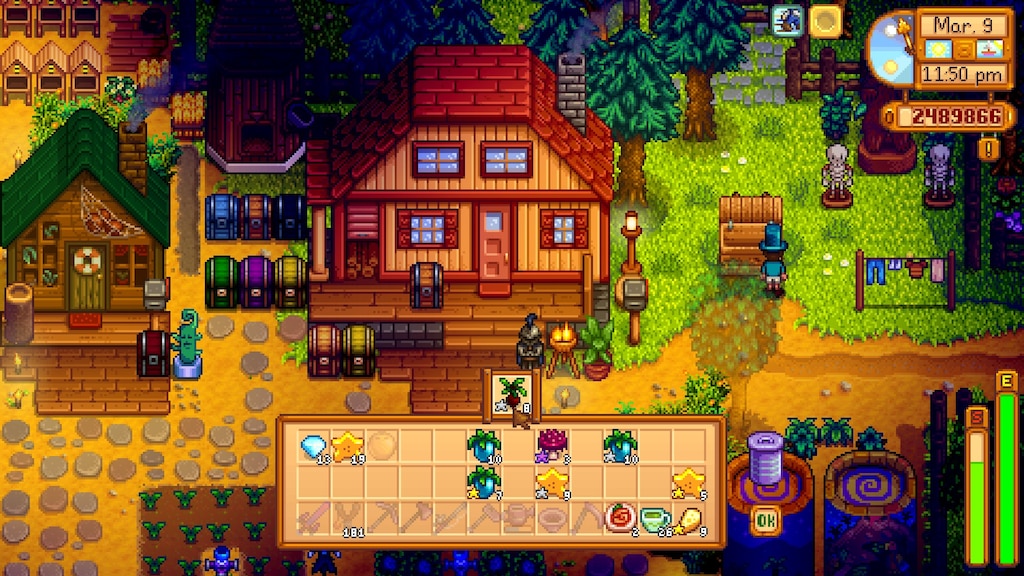
1. Start Your First Spring With a Simple Daily Routine
Your first days in Stardew Valley are mainly about establishing a reliable routine. You begin with limited energy, basic tools, very little money, and a farm that needs considerable cleanup. Instead of trying to clear everything immediately, concentrate on creating enough usable space for crops while preserving energy for more profitable activities.
Begin each morning by checking your crops and watering them before spending your remaining energy elsewhere. If you have spare time, clear small areas of debris, gather forage, fish, or explore nearby locations. Avoid spending an entire day chopping every tree and breaking every stone unless you specifically need the materials.
Prioritize early resources
Wood, stone, fiber, and basic forage are all useful during the opening season. However, inventory space can quickly become a problem, so avoid collecting everything you see without a purpose.
A useful early priority list is:
- Water and maintain your crops
- Plant new seeds when you can afford them
- Gather seasonal forage
- Save wood and stone for important crafting
- Fish when you need early income
- Explore the mines once they become available
- Upgrade tools when you have enough money and resources
Another important habit is learning when to stop working. Your character's energy is a limited resource, and staying active too late can leave you exhausted or force you to consume valuable food. Stardew Valley rewards efficient scheduling more than simply working until the final minute of every day.
Do not fear imperfect days
Your first spring does not need to be perfect. Missing a crop opportunity, selling the wrong item, or spending a day fishing instead of mining will not ruin your save. The game is designed around long-term progression, so use the first season to learn how systems interact.
2. Plan Your Farm Before Spending Too Much Money
Once you have established a basic routine, your next priority should be turning the farm into a reliable source of income. Crops are usually the easiest starting point because they require relatively little infrastructure and can generate money throughout the season.
When choosing what to plant, consider more than the selling price of a single harvest. Growth time, regrowth potential, seed cost, and the number of harvests available before the season ends all affect profitability.
Build a manageable crop layout
You do not need to cover your entire farm with crops immediately. A smaller field is often easier to maintain because it consumes less energy and reduces the amount of time spent watering.
Leave some space around your farming area for:
- Sprinklers
- Chests
- Processing machines
- Paths
- Trees
- Buildings
- Future expansion
As your farming level increases, sprinklers become increasingly important. They reduce the daily workload and allow you to spend more time mining, fishing, exploring, or building relationships.
Think beyond raw crops
Selling crops immediately is useful during the early game, but processing them later can increase their value. As you unlock equipment, consider turning farm products into artisan goods rather than selling everything directly.
This creates a useful progression:
Crops → Processing equipment → Artisan goods → Higher-value income
The important lesson is not to rush into building dozens of machines before you have enough raw materials. Expand your production system gradually so that it supports your farm instead of becoming another chore.
3. Learn How to Manage Energy, Time, and Inventory
Stardew Valley is built around three major limitations: time, energy, and inventory space. Understanding how to manage these resources is one of the biggest differences between an inefficient day and a productive one.
Every action consumes some combination of time and energy. Walking between locations also consumes valuable time, especially when your farm is far from the places you want to visit. This means planning your route can be surprisingly important.
Group activities by location
Instead of repeatedly traveling between the farm and town, try to combine activities that take place in the same area.
For example, if you plan to visit the beach for fishing, check whether you also need to speak with someone nearby or collect forage in the area. If you are going to the mines, bring enough food and equipment so you do not need to return home halfway through the day.
A simple daily planning system can be:
- Identify your most important task.
- Complete essential farm maintenance.
- Perform activities near your main destination.
- Sell or store items before your inventory becomes full.
- Return home with enough time to organize your farm.
- Prepare for the next morning before going to sleep.
Keep useful food with you
Food is one of the most important tools for extending your daily productivity. Cheap or easily obtained food can restore energy while exploring the mines, fishing, or performing farm work.
Do not automatically sell every edible item. Keeping a small emergency supply can be far more valuable than earning a little extra gold from it.
Upgrade your backpack
Inventory upgrades should be a major early goal. More inventory space means fewer trips home, fewer discarded items, and better efficiency when exploring resource-heavy locations.
Once you can comfortably carry the items you need, activities such as mining and foraging become much more efficient.
4. Choose Skills and Activities That Match Your Playstyle
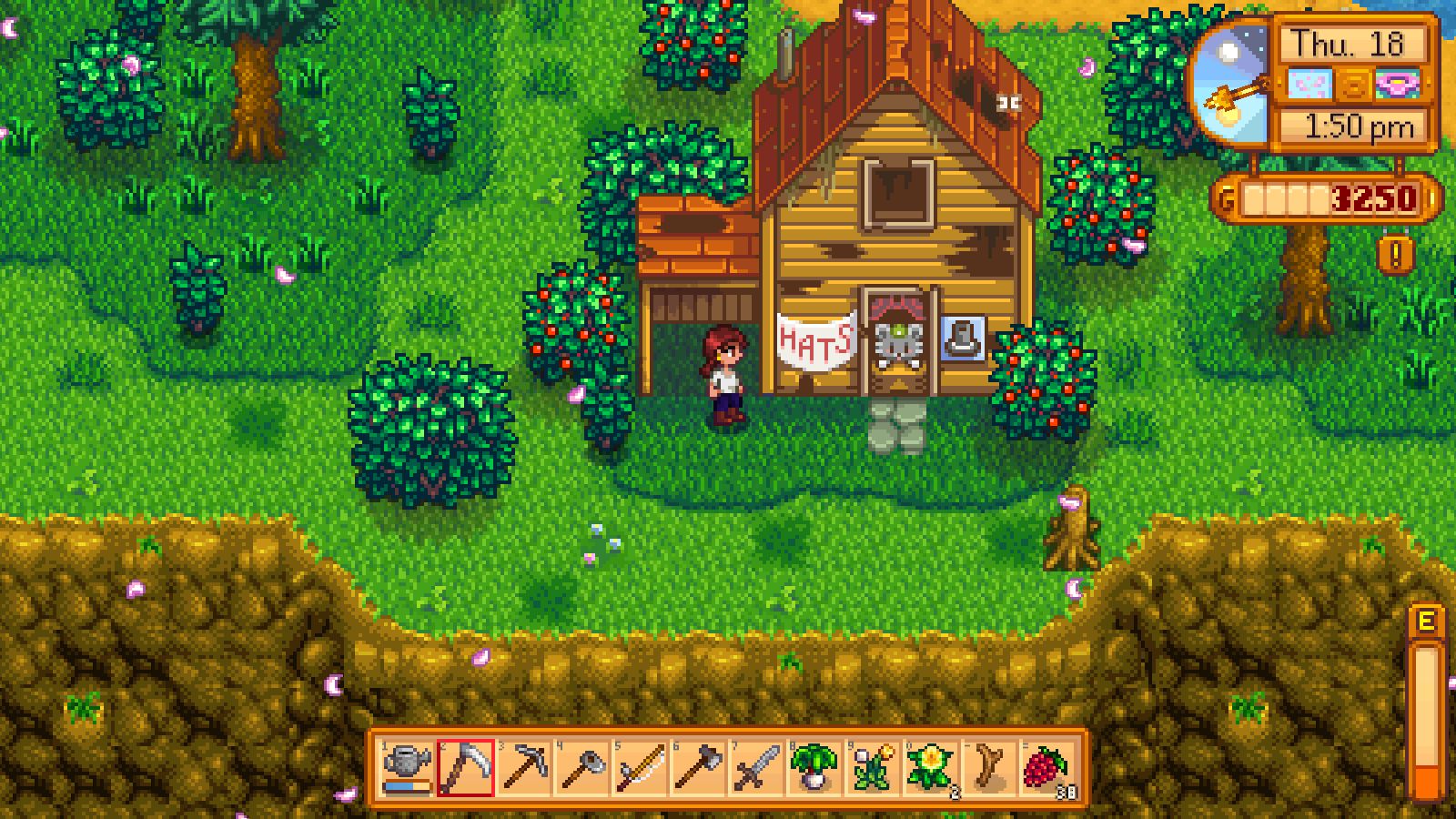
Stardew Valley allows you to develop several different skills, including Farming, Mining, Foraging, Fishing, and Combat. These skills naturally improve as you use them, so your progression will reflect the activities you perform most often.
There is no single correct skill path. A player who loves fishing can build an economy around fish, while another player may prefer farming and artisan goods. Someone who enjoys exploration can spend more time mining and fighting monsters.
Build around complementary skills
Some activities work particularly well together. Farming provides crops that can become food or artisan goods, while mining provides materials for sprinklers, tools, machines, and farm buildings.
For example:
- Farming + artisan production creates a strong long-term economy.
- Mining + combat supports exploration and resource gathering.
- Fishing provides flexible early-game income.
- Foraging supplies seasonal resources and useful materials.
- Farming + animal care creates multiple income streams.
Instead of trying to maximize every skill immediately, focus on two or three activities that support your current goals.
Do not ignore secondary skills
Even if you primarily focus on farming, fishing or mining can still provide important benefits. Some resources are difficult to obtain through farming alone, and different activities become more useful at different points in the game.
A balanced character is often more flexible than a highly specialized one, especially during the first year.
5. Explore the Mines and Upgrade Your Equipment
The mines are one of the most important sources of progression in Stardew Valley. They provide ore, stone, geodes, combat experience, and other resources that eventually become essential for upgrading your farm.
Mining also teaches you how to manage risk. You need to balance energy, health, food, inventory space, and time while searching for deeper levels.
Prepare before entering the mines
Bring food and leave unnecessary items at home. If you are planning a longer mining session, take enough healing items to avoid being forced to leave early.
Your basic strategy should be:
- Enter with sufficient energy.
- Break rocks efficiently.
- Search for ladders quickly.
- Fight only when necessary.
- Collect important ore and resources.
- Use food when your energy or health becomes limiting.
- Stop before the day becomes dangerously late.
You do not need to destroy every rock on every floor. Your main objective is usually progression toward deeper levels and better resources.
Upgrade tools strategically
Tool upgrades can dramatically improve efficiency. However, sending a tool to be upgraded temporarily removes it from your inventory, so timing matters.
Try to upgrade tools when you have fewer urgent tasks that require them. For example, upgrading a watering-related tool can be inconvenient when you have a large field that needs constant attention.
Planning upgrades around weather, crop schedules, and upcoming activities can prevent unnecessary disruption.
6. Build Relationships and Make the Most of Pelican Town
Stardew Valley is not only about farming. The villagers are a major part of the game's progression, and building relationships can unlock new events, dialogue, recipes, gifts, and other rewards.
You do not need to become friends with everyone immediately. Instead, start by remembering the characters you naturally encounter during your normal routine.
Use birthdays and favorite gifts
Birthdays are especially valuable opportunities to increase friendship. A gift given on a character's birthday can have a much stronger effect than a normal gift, making birthdays worth planning around.
Keep useful gift items in a dedicated chest so that you are not forced to search your entire farm whenever you want to give someone a present.
Create a simple relationship routine
You can gradually build friendships without spending your entire day visiting villagers. Talk to people when your normal route takes you near them, and combine social activities with shopping, fishing, errands, or exploration.
Some useful habits include:
- Check the calendar regularly.
- Remember important birthdays.
- Keep common gift items available.
- Talk to villagers when passing through town.
- Pay attention to dialogue for clues about preferences.
- Participate in festivals when possible.
Relationships are a long-term investment. You do not need to maximize them immediately to benefit from the system.
7. Use the Community Center and Seasonal Planning to Guide Progress
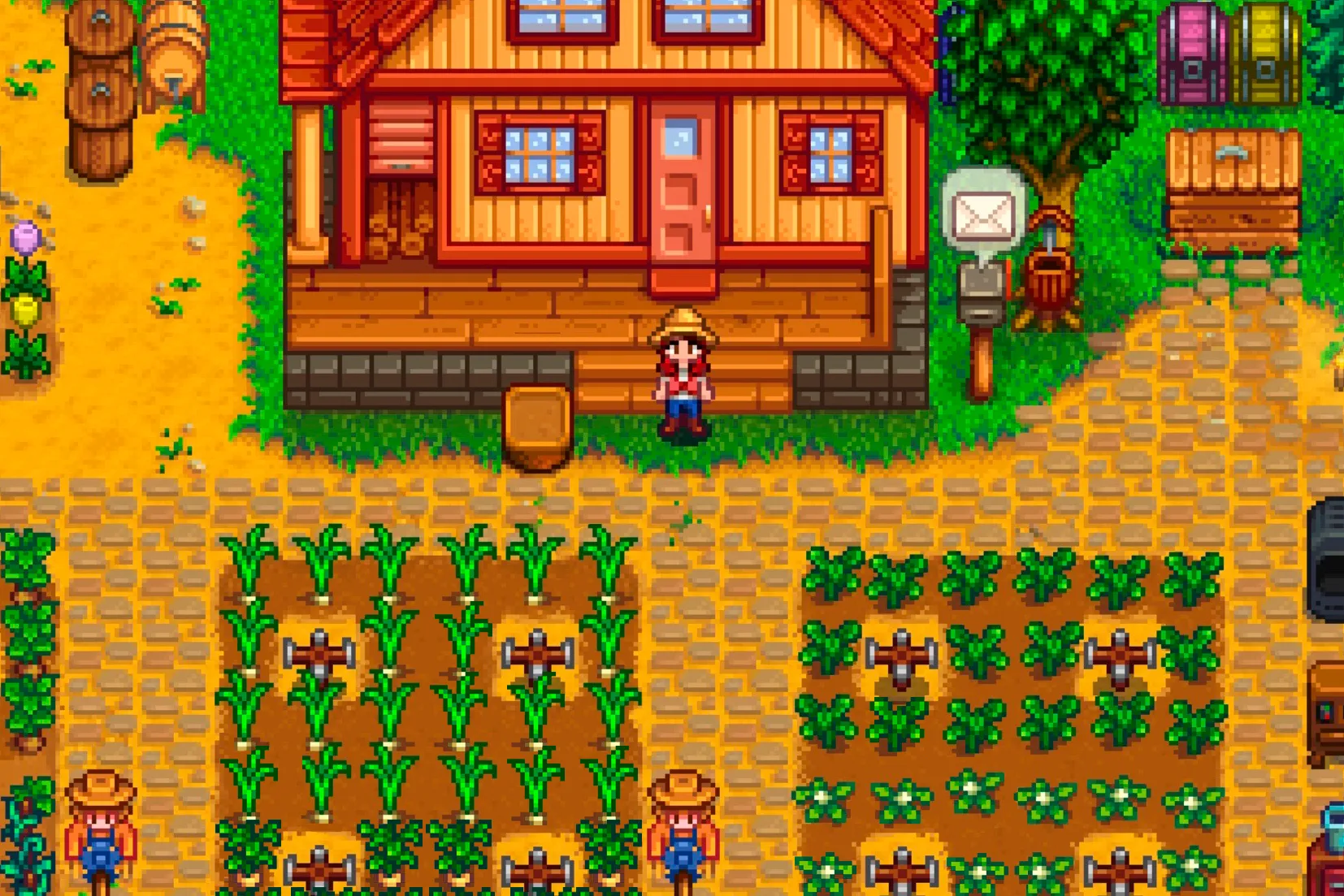
One of the biggest advantages of the Community Center is that it gives your early game a natural set of objectives. Instead of randomly collecting items, you can use bundles as a checklist for crops, fish, forage, minerals, and other resources.
This encourages you to think ahead across the entire year.
Save important seasonal items
One common beginner mistake is selling everything that seems valuable. While selling crops and forage generates immediate income, some items may be needed later for bundles, quests, recipes, or other progression.
A good solution is to maintain several storage categories.
A practical storage system
Consider keeping separate chests for:
- Crops and seasonal produce
- Forage
- Fish
- Minerals and mining materials
- Monster drops
- Artisan goods
- Gifts
- Tools and miscellaneous items
This system saves time and prevents you from accidentally selling something that becomes useful later.
Think one season ahead
Before a new season begins, check what you will need. Buy seeds early, prepare farmland, organize storage, and consider which buildings or upgrades you want to complete.
Seasonal planning is especially useful because many crops disappear when the season changes. A little preparation at the end of one season can make the next one significantly smoother.
8. Expand Into Animals, Fishing, and Artisan Production
Once your basic crop economy is stable, diversification becomes increasingly useful. Animals, fishing, and artisan production can provide additional income and reduce your dependence on a single activity.
Animals require more daily attention than crops, but they can become valuable long-term investments. They also create products that can be processed into higher-value goods.
Start with manageable expansion
Do not build every available farm building immediately. Each building creates additional costs and responsibilities, so expand when you can comfortably support it.
For animals, remember that you need to account for:
- Building costs
- Animal purchase costs
- Feed
- Daily care
- Product collection
- Processing equipment
- Space for expansion
The same principle applies to artisan production. Building a machine is only useful if you can consistently supply it with materials.
Fishing is excellent for flexible income
Fishing can be especially useful when your crops are growing and you have free time. It provides money without requiring a large initial investment in farmland.
It is also a good way to fill gaps in your daily schedule. If your crops are watered, your animals are cared for, and you have no urgent mining objective, fishing can turn otherwise empty hours into useful income.
9. Prepare for Midgame and Stop Playing Only for Immediate Profit
As your farm grows, your goals should gradually change. In the early game, nearly every decision is about earning enough money to unlock the next upgrade. Later, you can focus more on efficiency, convenience, collection goals, relationships, and personal projects.
This is where many players begin to benefit from specialization.
Improve efficiency instead of simply expanding
A larger farm is not automatically a better farm. If expansion creates too many daily chores, you may spend more time maintaining the farm than enjoying the game.
Look for upgrades that reduce repetitive work:
- Sprinklers
- Better tools
- Faster transportation options
- Processing machines
- Organized storage
- Efficient farm layouts
- Upgraded buildings
The best improvements are often those that save time every day.
Create a long-term farm design
You can gradually divide your farm into functional areas. For example, one section can be dedicated to crops, another to animals, and another to trees or processing machines.
Leave room for future projects rather than filling every available tile immediately. Your farm will change significantly as you unlock more systems.
Avoid unnecessary optimization
Stardew Valley is not designed to require maximum efficiency from every day. A perfectly optimized farm can be satisfying, but it should not turn the game into a spreadsheet if that is not what you enjoy.
If you want to spend an afternoon fishing, exploring, decorating, or talking to villagers, there is nothing wrong with doing so.
10. Develop Your Own Endgame Routine and Play at Your Own Pace
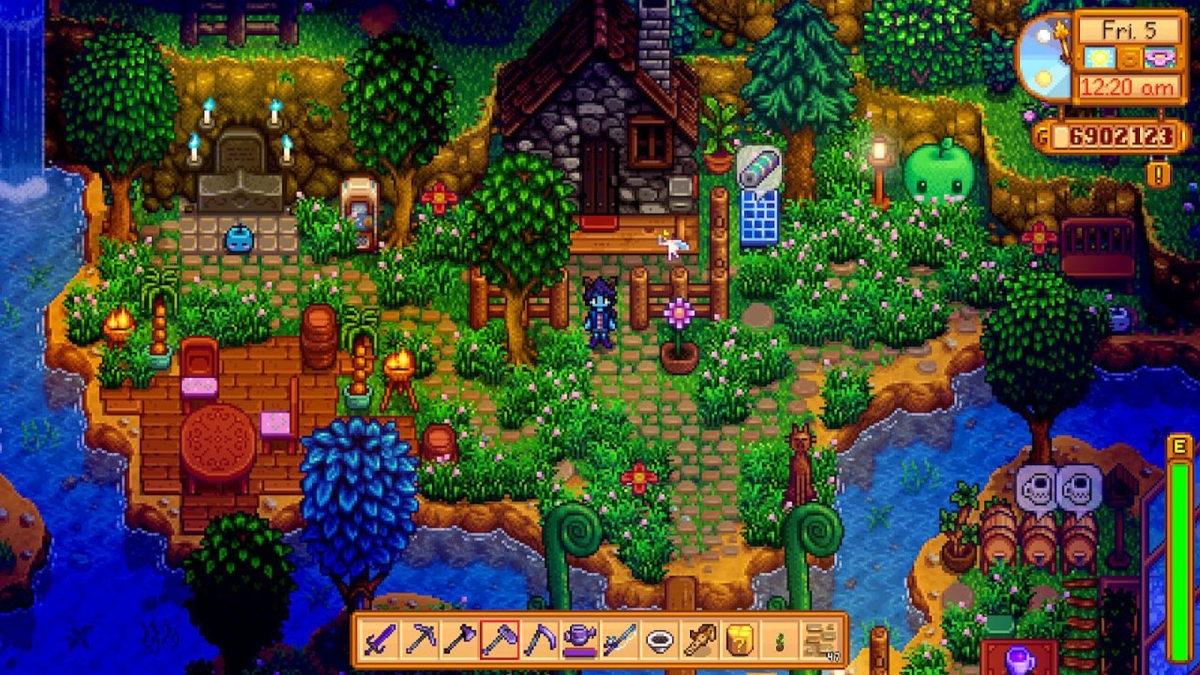
Eventually, Stardew Valley becomes less about surviving the early game and more about deciding what you want your farm and character to become. By this stage, you should have enough income, equipment, and resources to choose your own priorities.
Some players aim to complete major collection goals. Others focus on creating an elaborate farm, maximizing artisan production, completing relationships, exploring dangerous areas, or simply building a comfortable daily routine.
Create personal goals
Once the basic progression is under control, set objectives that are meaningful to you.
Possible long-term goals include:
- Designing a highly organized farm
- Completing major collections
- Reaching high skill levels
- Building strong relationships
- Expanding animal production
- Creating a large artisan operation
- Exploring challenging areas
- Completing major town-related objectives
- Decorating the farm and home
- Experimenting with different farm layouts
Learn from every season
One of the best Stardew Valley tips is to treat each season as an opportunity to improve your planning. If you ran out of money in Spring, adjust your income strategy next year. If your crops took too much time to maintain, improve your sprinkler coverage. If you missed important seasonal items, create a reminder for the next cycle.
The game becomes easier when you stop thinking of mistakes as failures and start treating them as information. Every year gives you another opportunity to refine your routine.
Conclusion
Stardew Valley offers a huge amount of freedom, but that freedom becomes much easier to manage once you understand how its systems connect. Start by creating a simple daily routine, establish a manageable crop operation, and learn to protect your limited energy and time. From there, gradually expand into mining, fishing, relationships, animals, artisan production, and other activities.
The most important tip is to avoid rushing. Stardew Valley is designed around long-term progression, seasonal changes, and repeated opportunities. You do not need to accomplish everything during your first year, and you do not need to play every day in the most efficient way possible.
Build a farm that matches the way you enjoy playing. Plan ahead when it helps, keep useful resources in storage, upgrade your tools strategically, and use each season to improve your routine. Once you understand the basic systems, Pelican Town becomes less overwhelming and much more rewarding to explore.