The Hidden Cost of Elite Mercenary Recruitment in Wardogs: Why Building a Strong Squad Is Harder Than Winning Battles
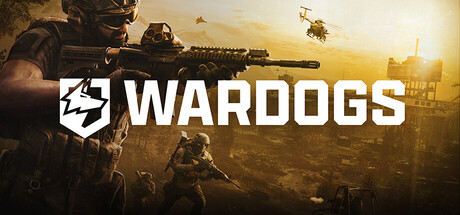
Wardogs is often praised for its tactical combat, squad management mechanics, and realistic approach to mercenary warfare. Many players initially believe that victory depends primarily on battlefield tactics, weapon upgrades, or character leveling. However, experienced commanders quickly discover that one of the most difficult challenges in the game is not combat itself but the process of recruiting, maintaining, and developing elite mercenary units.
This issue becomes increasingly important as players progress through the campaign. Early-game recruits are cheap and plentiful, but their limitations become obvious during high-risk operations. Meanwhile, elite soldiers demand enormous investments of money, equipment, training, and management. The result is a constant struggle between immediate battlefield needs and long-term squad development.
This article explores the recruitment and development crisis of elite mercenaries in Wardogs, examining how the problem evolves throughout the game and why it becomes one of the defining strategic challenges for advanced players.
Understanding the Early Recruitment Phase
The Illusion of Unlimited Choices
At the beginning of the game, players are presented with a wide variety of available recruits. The roster appears large, and hiring costs seem manageable. This creates the impression that replacing fallen soldiers will always be easy.
However, most early recruits suffer from serious weaknesses. Their combat skills are inconsistent, their specialization is limited, and their survivability remains low during difficult missions. Many players fail to recognize these limitations until they encounter stronger enemies later in the campaign.
Common Early Recruitment Mistakes
- Hiring based solely on cost
- Ignoring long-term growth potential
- Overlooking support roles
- Prioritizing quantity over quality
- Spending resources on temporary soldiers
The consequences of these mistakes often appear much later, when rebuilding an effective squad becomes significantly more expensive.
Why Average Mercenaries Eventually Become a Liability
As mission difficulty increases, average soldiers begin to struggle. Enemies gain better weapons, stronger armor, and improved tactical positioning.
The problem is not merely reduced damage output. Average mercenaries also create operational instability. They miss critical shots, fail important objectives, and require constant protection from stronger teammates.
As casualties rise, players are forced into a cycle of replacing underperforming soldiers. This creates a resource drain that slows overall progression and weakens strategic flexibility.
The Cost of Underperformance
A weak recruit may appear affordable initially, but repeated failures generate hidden expenses:
- Medical treatment
- Replacement equipment
- Lost mission rewards
- Increased casualty rates
- Delayed progression
Over time, these hidden costs often exceed the investment required for stronger recruits.
The Scarcity Problem of Elite Recruits
Limited Availability Creates Competition
Elite mercenaries are intentionally difficult to obtain. Their appearance in recruitment pools is often restricted, making them valuable strategic assets.
Because opportunities are limited, players must decide whether to hire immediately or save resources for future prospects. This decision becomes especially difficult when current squad members are already struggling.
The scarcity system introduces meaningful tension. Players cannot simply purchase the strongest soldiers whenever they wish. Instead, they must plan recruitment strategies carefully and allocate resources efficiently.
Timing Matters
A delayed recruitment decision can have serious consequences. Missing a high-potential recruit may force a player to spend dozens of additional missions searching for a comparable replacement.
This transforms recruitment into a strategic challenge rather than a simple economic transaction.
Economic Pressure and Squad Development
Balancing the Budget
Money is one of the most valuable resources in Wardogs. Every financial decision affects squad performance.
Elite recruits require significant investments beyond their initial hiring fee. Their effectiveness depends on:
- Better weapons
- Higher-quality armor
- Specialized gear
- Medical support
- Training investments
As a result, recruiting elite soldiers without sufficient infrastructure can actually weaken a player's economy.
Many commanders make the mistake of spending all available funds on recruitment, leaving no resources for equipment upgrades.
The Opportunity Cost
Every recruitment decision involves trade-offs.
A player who hires one elite sniper may delay:
- Base upgrades
- Vehicle improvements
- Weapon enhancements
- Medical facilities
Determining which investment provides the highest return becomes one of the game's most important strategic considerations.
Training Versus Immediate Combat Needs
The Long-Term Investment Dilemma
Elite mercenaries rarely reach their full potential immediately. Most require extensive battlefield experience and skill development.
This creates a dilemma. Players need strong performance now, but elite soldiers often generate their greatest value later.
Investing in development means accepting short-term inefficiencies for long-term gains. Not every player has the patience or resources to support this process.
Building Future Leaders
Some recruits possess exceptional growth potential despite average starting statistics.
Identifying these individuals requires careful analysis of:
- Attribute distribution
- Skill specialization
- Growth rates
- Tactical versatility
Experienced players often focus less on current strength and more on future potential.
The Equipment Bottleneck
Elite Soldiers Need Elite Gear
A highly skilled mercenary equipped with poor weapons cannot perform effectively.
Many players discover that recruitment is only the first step. Equipping an elite soldier properly can cost several times more than the original hiring fee.
The equipment bottleneck becomes especially severe during mid-game progression, where advanced gear remains limited but mission difficulty continues to rise.
Resource Prioritization
Players frequently face difficult questions:
- Should the sniper receive a better rifle?
- Should the medic receive upgraded armor?
- Should funds be reserved for future recruits?
There is rarely a perfect answer, making equipment allocation a critical component of squad management.
Psychological Impact of Permanent Losses
Emotional Investment in Veterans
One of Wardogs' strongest features is the emotional attachment players develop toward long-serving mercenaries.
Veterans accumulate:
- Combat experience
- Unique achievements
- Valuable skills
- Personal stories
Losing such a soldier can feel devastating.
Unlike replacing equipment or currency, replacing experience is often impossible.
Strategic Consequences
The death of a veteran affects more than morale.
Players lose:
- Leadership capabilities
- Tactical flexibility
- Specialized expertise
- Future development potential
As a result, protecting elite soldiers often becomes a higher priority than completing objectives quickly.
The Mid-Game Recruitment Crisis
When Casualties Begin to Matter
The mid-game represents a turning point.
At this stage:
- Mission difficulty increases rapidly
- Enemy units become more dangerous
- Resource requirements expand
- Squad specialization becomes essential
Many players discover that their recruitment decisions from earlier stages now determine their success.
Those who invested wisely possess strong veterans. Those who relied on disposable soldiers often face severe rebuilding challenges.
Recovery Becomes Expensive
Replacing a level-one recruit is easy.
Replacing a fully trained elite operative is not.
The resource gap between these two situations creates one of the most significant difficulty spikes in the game.
Advanced Recruitment Strategies Used by Veteran Players
Selective Hiring
Experienced players rarely recruit impulsively.
Instead, they evaluate:
- Role requirements
- Squad composition
- Long-term growth
- Economic sustainability
This disciplined approach minimizes wasted resources and improves squad efficiency.
Maintaining a Development Pipeline
Veteran commanders often maintain multiple layers of personnel:
- Frontline veterans
- Developing specialists
- Reserve recruits
- Emergency replacements
This structure ensures that casualties do not completely cripple operational effectiveness.
Benefits of a Structured System
A recruitment pipeline provides:
- Greater stability
- Reduced recovery time
- Better resource efficiency
- Improved long-term growth
Such systems become increasingly important during late-game operations.
Late-Game Consequences of Early Recruitment Decisions
Success Is Determined Earlier Than Most Players Realize
Many late-game outcomes are influenced by decisions made during the opening hours.
Players who prioritized sustainable development usually enter the endgame with:
- Experienced veterans
- Stable finances
- Specialized squads
- Reliable tactical options
Meanwhile, players who focused only on short-term success often struggle with personnel shortages.
Compounding Advantages
Elite recruitment creates a snowball effect.
Strong soldiers complete missions more efficiently.
Efficient missions generate more rewards.
Additional rewards enable better equipment and further recruitment.
This cycle continuously strengthens successful squads.
Why Recruitment Defines Mastery in Wardogs
More Than a Combat Simulator
Although combat receives the most attention, Wardogs is fundamentally a resource-management game disguised as a tactical shooter.
Recruitment sits at the center of every major system:
- Economy
- Progression
- Equipment management
- Mission planning
- Long-term strategy
Mastering recruitment therefore means mastering the entire game.
The Ultimate Strategic Challenge
The strongest players understand that victory is rarely determined by a single battle.
Instead, success emerges from hundreds of recruitment decisions made throughout the campaign.
Each hire represents an investment in the future, and each mistake carries consequences that may not become visible until many missions later.
The recruitment and development of elite mercenaries is one of the most complex and rewarding systems in Wardogs. While combat tactics remain important, long-term success depends heavily on building a sustainable personnel structure capable of surviving increasingly difficult missions. The scarcity of elite recruits, economic constraints, training requirements, equipment costs, and permanent losses combine to create a strategic challenge that extends far beyond the battlefield. Players who understand these interconnected systems gain a significant advantage, while those who neglect recruitment planning often find themselves trapped in a costly cycle of replacements and setbacks. Ultimately, mastering mercenary recruitment is not merely one aspect of Wardogs—it is the foundation upon which every successful campaign is built.
Summary: Elite mercenary recruitment in Wardogs shapes economy, progression, squad survival, and long-term success.