




Introduction
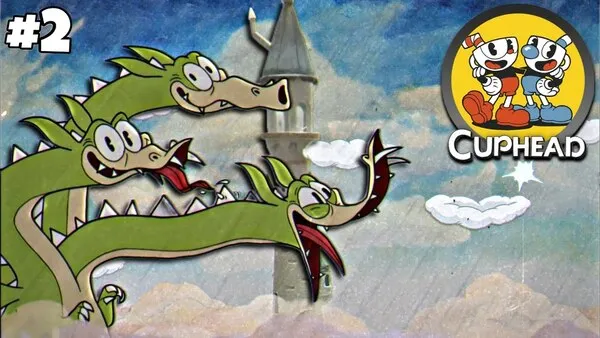
Cuphead is widely recognized as one of the most visually unique and mechanically demanding action games ever created. Inspired by 1930s animation, the game combines hand-drawn art, jazz-inspired music, and intense boss battles into an experience that rewards patience, observation, and skill. While its charming appearance attracts many players, its difficulty often surprises newcomers.
Many first-time players assume that success in Cuphead depends purely on fast reflexes. While reaction speed certainly helps, experienced players understand that victory is more often determined by pattern recognition, positioning, weapon selection, and consistency. Most bosses are designed to punish panic and reward learning.
This guide focuses on practical tips and strategies that help players progress from their first contract to the final boss. Rather than simply listing controls or explaining individual stages, this article examines how skilled players approach Cuphead's challenges, improve over time, and overcome even the toughest encounters.
Understanding Cuphead's Core Philosophy Before Fighting Bosses
One of the biggest mistakes beginners make is treating every death as a failure.
In Cuphead, deaths are part of the learning process. The game is built around observation and adaptation. Every boss encounter teaches players something new about attack patterns, movement timing, and safe positioning.
When a player dies, the goal should not be frustration but information gathering. Each attempt reveals additional details that can be used in the next run. The game expects players to improve through repetition.
The Right Mindset
- Treat deaths as lessons.
- Focus on improvement rather than immediate victory.
- Learn patterns before chasing damage.
- Expect gradual progress.
Players who embrace this mindset often improve much faster than those who focus solely on winning.
Learning Boss Patterns Before Maximizing Damage
Many players enter a fight and immediately concentrate on attacking.
This often leads to unnecessary mistakes because attention becomes divided between offense and survival. Early attempts should prioritize studying the boss rather than dealing maximum damage.
Observe:
- Attack sequences.
- Movement behavior.
- Phase transitions.
- Projectile patterns.
- Safe zones.
Most bosses become significantly easier once their behavior becomes predictable.
Pattern Recognition Strategy
First Attempts
Focus almost entirely on survival.
Middle Attempts
Begin identifying reliable attack windows.
Later Attempts
Optimize damage while maintaining consistency.
Learning first and attacking second is often the fastest path to victory.
Choosing the Right Weapons for Each Encounter
One of Cuphead's most overlooked systems is weapon selection.
Many players discover a favorite weapon and refuse to change it. However, different bosses reward different loadouts.
Certain weapons excel at:
- Long-range combat.
- Mobile enemies.
- Aerial targets.
- Consistent damage.
- High burst damage.
Experienced players adapt their equipment to each challenge.
Weapon Selection Tips
Spread Shot
Excellent at close range.
Chaser
Helpful for beginners learning difficult patterns.
Roundabout
Strong against mobile targets.
Crackshot and DLC Weapons
Provide versatility in many encounters.
The best weapon is often the one that complements the boss rather than the player's preference.
Mastering Movement Before Advanced Techniques
Movement is the foundation of survival.
Many players focus heavily on shooting while neglecting positioning.
In reality, avoiding damage is often more important than dealing it.
A player who survives longer naturally creates more opportunities to attack.
Movement Fundamentals
- Stay near the center when possible.
- Avoid cornering yourself.
- Anticipate movement rather than reacting late.
- Maintain awareness of multiple threats.
Small positioning improvements can dramatically increase survival rates.
Why Positioning Matters
Good positioning reduces required reactions.
Bad positioning creates situations where survival becomes impossible regardless of skill.
How to Use Parrying Consistently
Parrying is one of Cuphead's most important mechanics.
Many beginners either ignore parries completely or attempt risky parries unnecessarily.
A successful parry provides:
- Super meter.
- Mobility options.
- Additional control.
However, reckless parries often result in avoidable damage.
Parry Training Tips
Start with Easy Targets
Practice on slow-moving pink objects.
Prioritize Safety
Not every parry opportunity should be taken.
Build Muscle Memory
Consistency matters more than speed.
Players who master parrying gain significant advantages throughout the game.
Managing Super Meter Effectively
Many players treat super meter as an emergency resource.
While this approach sometimes works, efficient meter management often produces better results.
Super attacks can:
- Increase damage output.
- Shorten dangerous phases.
- Create recovery opportunities.
- Simplify difficult moments.
The key is using meter strategically rather than hoarding it.
When to Use Supers
- During difficult phases.
- Against high-threat enemies.
- To finish encounters safely.
- During consistent damage windows.
Unused resources provide no value.
Learning when to spend meter is an important skill.
Surviving Multi-Phase Boss Battles
Most major Cuphead bosses contain multiple phases.
Many players become frustrated because they repeatedly lose during later stages.
This usually happens because they focus exclusively on reaching the next phase rather than mastering each phase individually.
Phase-by-Phase Approach
- Learn Phase One.
- Learn Phase Two.
- Learn Phase Three.
- Combine knowledge gradually.
Treating each phase as a separate challenge often accelerates progress.
Avoiding Late-Game Panic
Players frequently reach a new phase and become nervous.
Stay calm.
Observe first.
Damage can come later.
Survival remains the highest priority.
Improving Performance During Run-and-Gun Levels
Although Cuphead is famous for boss battles, run-and-gun stages require a different skill set.
These levels emphasize:
- Platforming.
- Enemy management.
- Route optimization.
- Resource collection.
Many players struggle because they rush.
Run-and-Gun Strategy
Move Deliberately
Speed is less important than consistency.
Eliminate Key Threats First
Not every enemy needs immediate attention.
Memorize Difficult Sections
Knowledge reduces mistakes.
Patience often leads to cleaner and safer runs.
Preparing for Endgame Bosses
The final stages of Cuphead test every skill learned throughout the game.
By this point, players should understand:
- Pattern recognition.
- Weapon adaptation.
- Positioning.
- Parrying.
- Meter management.
Endgame bosses rarely introduce entirely new concepts.
Instead, they combine existing mechanics into more demanding encounters.
Endgame Preparation Checklist
- Upgrade useful weapons.
- Practice parry consistency.
- Learn movement discipline.
- Develop phase awareness.
- Improve concentration.
The final bosses reward mastery rather than luck.
The Importance of Consistency
One excellent attempt is less valuable than ten solid attempts.
Reliable execution produces victories.
How to Continue Improving After Beating the Game
Completing Cuphead is not necessarily the end of the experience.
Many players challenge themselves by:
- Achieving higher grades.
- Completing Expert difficulty.
- Speedrunning bosses.
- Pursuing achievement completion.
- Mastering DLC content.
These challenges reveal additional layers of depth.
Advanced Improvement Goals
Reduce Damage Taken
Focus on cleaner victories.
Optimize Damage Windows
Increase efficiency.
Refine Movement
Improve positioning and reaction timing.
The game's replay value comes from continuous improvement.
Each completed run provides opportunities for further mastery.
Conclusion
Cuphead's reputation for difficulty is well deserved, but its challenge is often misunderstood. Success is not primarily about reflexes or luck. Instead, the game rewards observation, adaptation, patience, and disciplined execution. Every boss encounter teaches valuable lessons, and every defeat provides information that can be used in future attempts.
Players who focus on pattern recognition, intelligent weapon selection, movement fundamentals, consistent parrying, and strategic resource management will find that seemingly impossible encounters gradually become manageable. The most successful players are not necessarily the fastest or most aggressive. They are the ones who remain calm, learn from mistakes, and improve steadily over time.