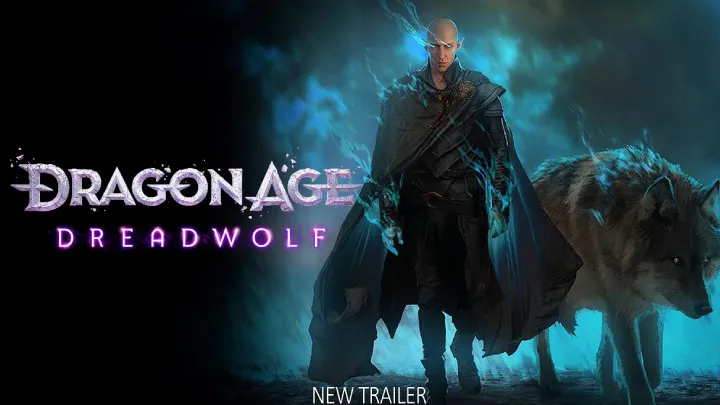




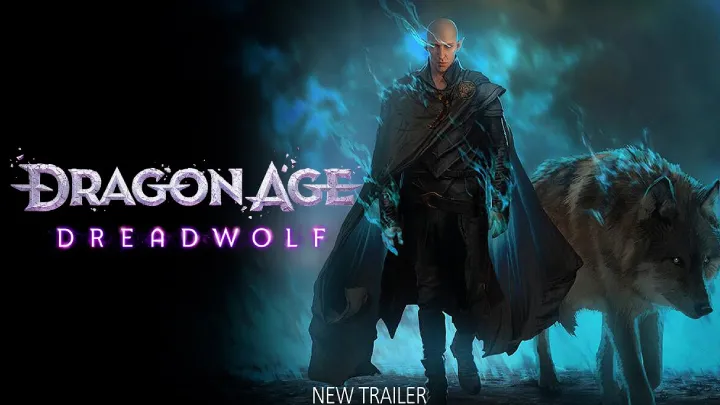
The eagerly awaited Dragon Age: Dreadwolf promises to continue the legacy of its acclaimed predecessors, diving back into the richly woven tapestry of the Dragon Age universe. However, as Bioware crafts this new installment, one significant issue looms large: the challenge of player agency in a narrative that has grown increasingly complex. The balance between giving players meaningful choices while adhering to a coherent story presents a nuanced challenge for the developers. This article explores how Dreadwolf navigates this delicate landscape, examining the interplay between player choice, character development, and the overall narrative direction of the game.
Setting the Stage: A Return to Thedas
Dragon Age: Dreadwolf marks the latest chapter in the epic saga set in Thedas, a world brimming with rich lore, diverse cultures, and formidable factions. Players are once again thrust into a realm where personal decisions can significantly impact the overarching narrative.
The Landscape of Thedas
Thedas is filled with intricate histories, mythical creatures, and political intrigue. From the mystical realms of the Dalish elves to the martial culture of the Grey Wardens, players can lose themselves in a world that feels alive and engaging.
Evolving Factions and Conflict
As players step back into this universe, they will encounter familiar factions and characters, but they will also bear witness to the repercussions of previous games. Major events from entries like Dragon Age: Inquisition will shape the political landscape, affecting alliances, hostilities, and the power dynamics within the world.
Central Themes of Dreadwolf
One of the central themes in Dreadwolf is the exploration of power and its consequences. The title itself hints at the emergence of old and new threats that challenge the established order. As players navigate this landscape, they will be confronted with choices that test their moral compass and sense of identity.
The Legacy of Player Agency
Player agency has always been a cornerstone of the Dragon Age series. Players can make choices that affect the outcome of quests, relationships with characters, and the fate of kingdoms. However, as the narrative complexity deepens, the challenge of maintaining player agency without diluting the storyline grows more pronounced.
Choices and Consequences
In previous titles, choices made by players could significantly alter the course of the game. Whether it was siding with one faction over another, making moral decisions that affected the world, or developing relationships with companions, these choices brought a personal connection to the story.
Dynamic Storytelling
The dynamic storytelling model thrived on the premise that player choices would create a unique experience tailored to individual play styles. However, as Dreadwolf seeks to expand the narrative depth, there are legitimate concerns about how to effectively implement various outcomes without confusing or alienating players.
The Balancing Act
While robust player agency is essential, developers must ensure that the story remains coherent and engaging. Overly fragmented narratives can undermine the emotional impact of the choices made and lead to disjointed gameplay experiences.
Companions and Relationships
The companions in Dragon Age have always played a critical role in character development and storytelling. Not only do they bring unique abilities to combat, but they also add emotional depth to the narrative.
Building Relationships
Fostering relationships with companions has been a significant aspect of the gameplay. Characters like Morrigan, Alistair, and Cassandra each have their stories, biases, and motivations that affect party dynamics and quests.
Companionship and Choice
Dreadwolf aims to deepen these relationships, allowing for more meaningful interactions that can have real consequences. This involves balancing who players can romance, who they can ally with, and how their past choices impact present dynamics.
The Challenge of Complexity
The challenge here lies in ensuring that player choices resonate authentically with companions. This involves crafting dialogue trees and interactions that reflect past decisions, but it also requires maintaining character consistency and emotional authenticity.
Narrative Branching: Weaving a Complex Story
As Dreadwolf pushes forward, the narrative structure becomes increasingly intricate. Branching narratives introduce the potential for multiple storylines, but they can also create complications in ensuring coherence.
Different Paths and Outcomes
In previous entries, players faced choices that led to various outcomes, from minor plot changes to significant alterations in the world state. Dreadwolf promises an even wider array of potential consequences based on player choices.
Risks of Overcomplication
While additional branches enrich the narrative, they can also lead to a tangled plot that may confuse players. Ensuring that pathways are logically connected and that choices are clear are essential for an engaging experience.
A Guide Through Complexity
Developers need to implement robust systems that help players track their choices and potential outcomes. Dialogue options should not only reflect past decisions but also indicate which paths might open or close based on player actions.
The Role of Lore in Player Choices
The Dragon Age franchise is rich with lore, and Dreadwolf seeks to build on this foundation while allowing players to reshape the story through their choices. However, balancing lore consistency with player agency presents unique challenges.
Immersive World-Building
Lore shapes gameplay, informing players about factions, historical events, and character motivations. A well-constructed lore can enhance player investment and encourage exploration of the narrative.
Lore vs. Choice Dynamics
Players may wish to explore the lore deeply, but more pronounced choices can make this exploration complicated. Not every player will want to engage with lore to its fullest, and offering both depth and clarity is vital.
Incorporating Lore into Choices
Character decisions and quests should weave in lore naturally, enhancing emotional resonance. For instance, allowing players to encounter historical events or significant lore points while making choices adds depth without overwhelming the experience.
The Importance of Player Feedback
Community feedback has always played a pivotal role in shaping the Dragon Age series. As Dreadwolf nears launch, developers must remain attentive to player opinions to refine gameplay systems and storytelling elements.
Early Access and Player Interaction
Communicating with fans through early access programs, forum discussions, and social media channels provides developers insight into players' desires and frustrations. Engaging with the player base invites a collaborative spirit that can enhance the game's overall quality.
Gathering Insights
Understanding player sentiment can guide developers in addressing issues surrounding character agency, gameplay mechanics, and narrative coherence.
Implementing Changes
Utilizing player feedback for patch updates, balance adjustments, and gameplay improvements can keep the community engaged. Transparency regarding changes can also build trust between developers and players.
Post-Launch Support: Sustaining Interest
Once Dreadwolf launches, the ongoing support will be essential to maintaining player engagement. Regular updates and new content can keep the experience fresh and exciting.
Continuous Development
By implementing seasonal updates or expansion packs, developers can introduce new quests, characters, and gameplay mechanics that keep players invested.
Community Events and Engagement
Hosting community contests, seasonal events, or challenges can create excitement around the game and foster a sense of community among players. Shared experiences can deepen their connection to the Dragon Age universe.
The Road Ahead
As Dreadwolf evolves, developers will need to ensure that the essence of Dragon Age is preserved while striving for innovation. A focus on community engagement and responsiveness to player needs will shape its lasting legacy.
The Future of Dragon Age: A Balancing Act
As Dragon Age: Dreadwolf moves forward, navigating the balance of player agency, narrative depth, and gameplay mechanics will define its legacy. By carefully crafting the game to embrace fan expectations and modern standards, it can succeed in appealing to both newcomers and the franchise’s long-time supporters over the years to come.
Conclusion
Dragon Age: Dreadwolf stands poised to be a monumental entry in the beloved series, with its rich lore, engaging combat, and potential for deep player agency. However, addressing the challenges of balancing these elements remains crucial for delivering a captivating experience. By listening to community feedback, refining gameplay mechanics, and continuously evolving the narrative ease, Dreadwolf can solidify its place as a hallmark of the Dragon Age franchise. As players embark on this next chapter in Thedas, the anticipation for personal stories shaped by choices and consequences sets the stage for an unforgettable adventure.