Job Simulator – Tips & Guides for Getting the Most Out of Virtual Work
Job Simulator is a humorous and interactive VR experience that parodies everyday professions through exaggerated tasks and playful mechanics. While the game appears simple on the surface, it offers surprising depth in interaction design, freedom of experimentation, and environmental storytelling. Each job scenario encourages players to explore, improvise, and engage with objects in creative ways.
This guide is designed for both new VR users and experienced players who want to fully enjoy Job Simulator. Organized in a logical progression, it covers how to adapt to VR controls, complete objectives efficiently, and discover hidden content while maintaining immersion and comfort.
1. Understanding Job Simulator’s Core Design
Physics-Driven Interaction
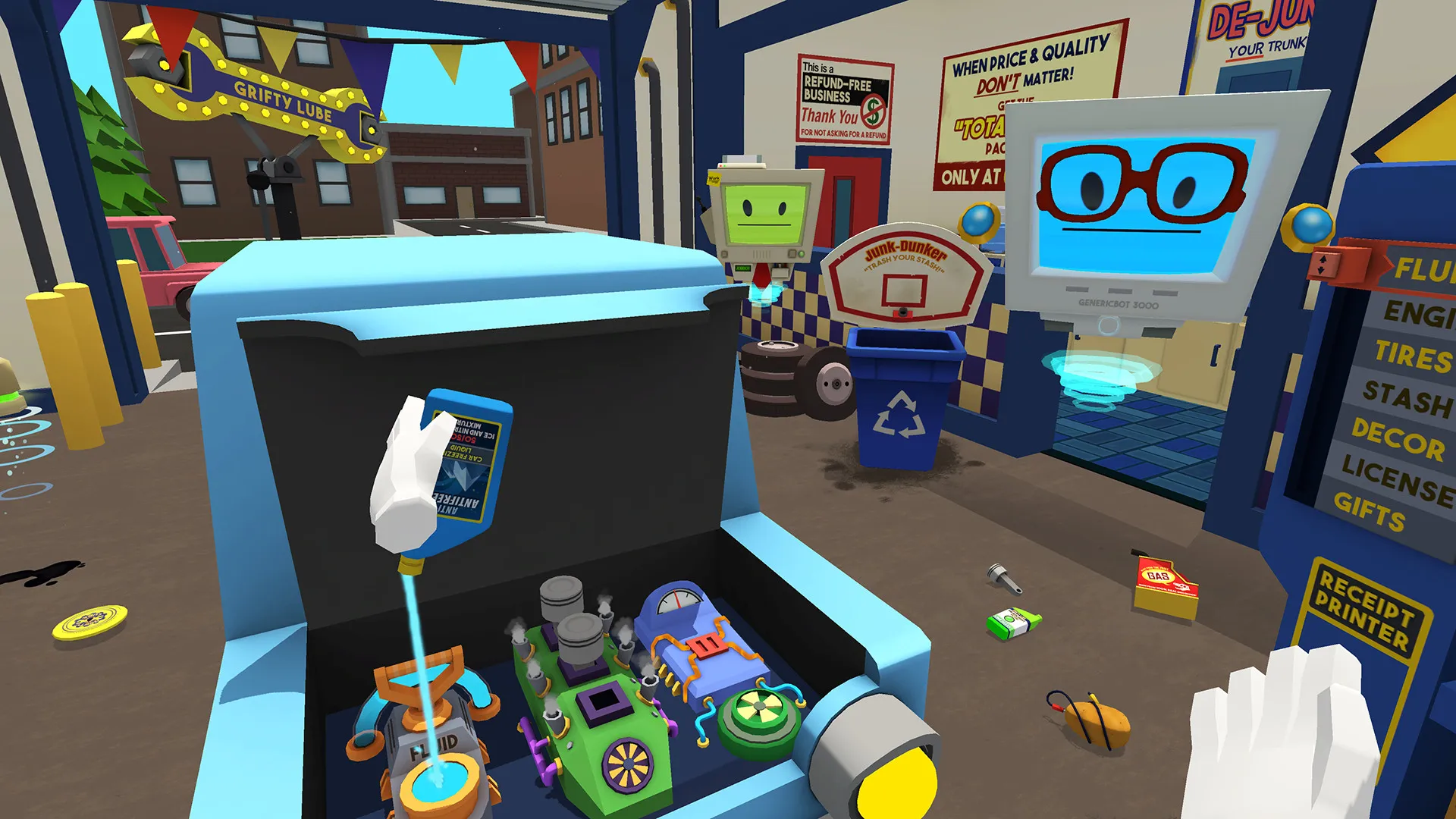
Job Simulator is built around physical interaction rather than complex rules. Almost every object can be picked up, moved, combined, or misused in humorous ways.
Understanding how objects respond to motion, collisions, and placement allows players to solve tasks creatively rather than following strict instructions.
Freedom Over Failure
The game rarely punishes mistakes. Many tasks can be completed in multiple ways, encouraging experimentation.
This design lowers frustration and makes Job Simulator accessible to players of all skill levels.
2. Getting Comfortable with VR Controls
Learning Basic Hand Mechanics
Before focusing on objectives, spend time learning how grabbing, releasing, and throwing feel in VR. Precision improves quickly with practice.
Comfortable hand movement is essential for smooth task completion.
Adjusting Play Space and Height
Proper calibration ensures objects are within reach and interactions feel natural. Incorrect height settings can make tasks unnecessarily difficult.
Take time to adjust your setup before starting a job scenario.
3. Exploring Each Job Scenario Fully
Treating Jobs as Sandboxes
Each job is a self-contained sandbox filled with interactive items. Completing tasks quickly often means missing hidden jokes and alternate interactions.
Explore drawers, shelves, and containers to discover additional content.
Environmental Storytelling
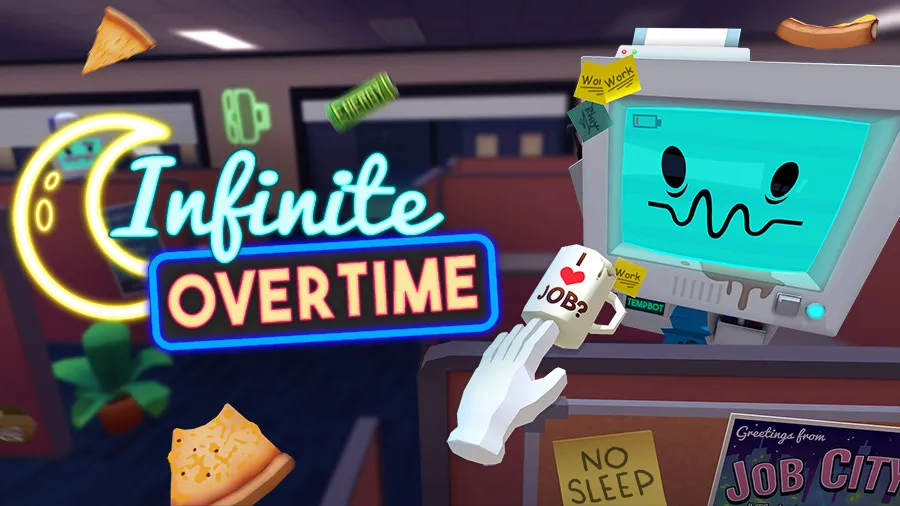
Many jokes and details are hidden in background objects, posters, and item descriptions. These elements add depth to the game’s humor.
Observant players gain a richer experience.
4. Completing Tasks Efficiently
Understanding Task Logic
Tasks often follow intuitive real-world logic, even when exaggerated. Pay attention to visual cues and verbal instructions.
Understanding intent makes tasks faster and more enjoyable.
Managing Multiple Objects
Some tasks require juggling several items at once. Place objects on stable surfaces instead of holding everything.
Organization reduces frustration during complex sequences.

5. Experimenting Beyond Objectives
Creative Interaction Is Encouraged
Job Simulator rewards curiosity. Many objects react humorously when used incorrectly.
Try combining unrelated items to see unexpected outcomes.
Breaking the “Rules”
The game allows and often celebrates rule-breaking. Using unconventional methods rarely blocks progress.
This freedom is central to Job Simulator’s charm.
6. Collecting Cartridges and Extras
Cartridge System Explained
Cartridges unlock optional challenges and experiences. They often add replay value to completed jobs.
Completing bonus tasks increases longevity.
When to Focus on Collectibles
It is usually better to complete the main job first, then return for collectibles once familiar with the environment.
This approach avoids distraction during early play.
7. Managing Motion and Comfort
Avoiding VR Fatigue
Job Simulator is designed to be comfortable, but long sessions can still cause fatigue. Take breaks regularly.
Short sessions maintain enjoyment and prevent discomfort.
Using Comfort Settings
Adjust movement sensitivity and interaction distance if available. Comfort settings improve accessibility for new VR users.
A comfortable player is a more engaged player.
8. Playing for Humor and Creativity
Timing and Presentation
Many jokes rely on timing. Pause, observe, and let situations unfold naturally.
Rushing reduces comedic impact.
Sharing the Experience
Job Simulator is enjoyable for spectators. Playing with friends watching adds to the fun.
The game works well as a social VR experience.
9. Replay Value and Alternate Approaches
Trying Different Playstyles
Replaying jobs with different approaches keeps the experience fresh. Efficiency runs and chaotic experimentation offer contrasting fun.
There is no “correct” way to play.
Noticing New Details
Repeated play reveals details missed earlier. Developers included layers of humor that reward attention.
Replay enhances appreciation.
10. Long-Term Enjoyment and Mastery
Mastery Through Familiarity
True mastery in Job Simulator comes from understanding interaction possibilities rather than completing tasks faster.
Confidence in VR interaction improves overall enjoyment.
Appreciating Design Simplicity
Job Simulator’s strength lies in its simplicity. It demonstrates how intuitive interaction can create engaging gameplay.
Understanding this enhances appreciation of VR design.
Conclusion
Job Simulator succeeds by turning ordinary work into playful, interactive comedy. Its intuitive VR mechanics, open-ended problem solving, and dense humor make it a standout experience for both newcomers and veterans of virtual reality.
By following these tips and guides, players can enjoy smoother interactions, discover hidden content, and fully appreciate the creative freedom that Job Simulator offers. It is less about completing jobs and more about enjoying the process.