



Introduction
Survival games often focus on numbers. Hunger ticks down. Temperature drops. Calories burn. Meters flash red. But in The Long Dark, developed by Hinterland Studio Inc., survival is not merely arithmetic—it is psychological erosion. Set in the frozen wilderness of Great Bear Island after a geomagnetic disaster, the game strips away zombies, mutants, and supernatural enemies. What remains is something far more intimate: the slow collapse of mental resilience under isolation.
This article explores one specific issue in The Long Dark: cabin fever as a systemic design choice and its role in psychological attrition. Rather than treating cabin fever as a simple debuff, we will examine how it functions over time—mechanically, narratively, and emotionally. Through ten stages arranged chronologically and thematically, we will analyze how the game transforms shelter from sanctuary into threat, reshaping player behavior and redefining what safety means.
1. The Early Illusion of Safety
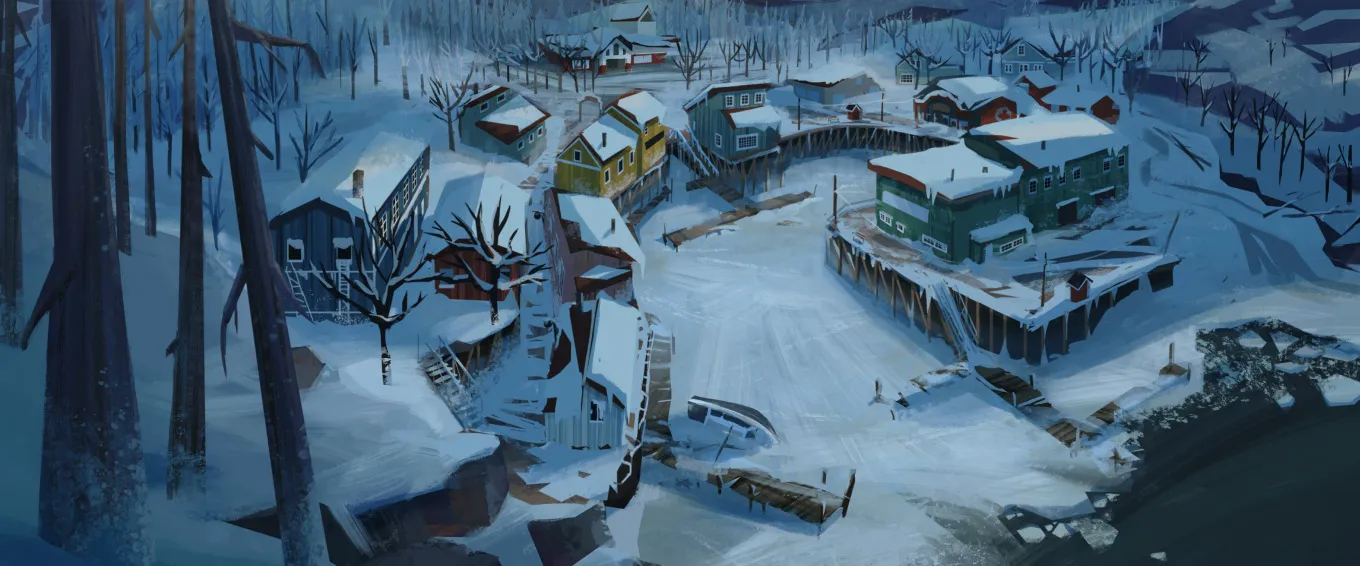
At the start of a new survival run in The Long Dark, shelter represents hope. A small fishing hut, a derelict cabin, or a ranger station offers warmth, storage, and reprieve from the biting Canadian wind. Early-game psychology is simple: get inside before you freeze.
During the first in-game days, indoor spaces feel like victory. You organize supplies, cook venison, repair clothing. The storm rages outside, but you are safe. This establishes an early emotional contract:
- Indoors = protection
- Outdoors = danger
- Fire = control
- Darkness = vulnerability
The game intentionally builds trust in enclosed spaces. That trust is necessary—because it will later be subverted.
2. The Introduction of Cabin Fever Risk
After spending extended time indoors, the game quietly introduces a warning: Cabin Fever Risk. It begins subtly. A small status notification. A percentage indicator. Many players ignore it at first.
What Cabin Fever Does
Cabin Fever is an affliction that prevents the player from sleeping indoors for a period of time. If it fully triggers:
- You cannot sleep inside buildings.
- You must sleep outdoors or in a cave.
- Fatigue becomes harder to manage.
- Exposure risk increases.
This is not just a debuff. It is a forced behavioral correction.
Why This Matters Mechanically
Most survival games reward hoarding and bunker mentality. The Long Dark punishes it. The cabin fever system ensures that:
- Players cannot permanently turtle.
- Indoor stockpiling has limits.
- Exposure to environmental risk is mandatory.
This transforms comfort into something temporary. Safety becomes conditional.
3. Environmental Hostility as Psychological Pressure
Once cabin fever risk appears, the player becomes hyper-aware of time spent indoors. Every hour crafting or reading now has a cost.
The Storm Problem
Consider a blizzard scenario:
- Visibility near zero
- Temperatures plummeting
- Wolves roaming
- Windchill stacking damage
In most games, the logical choice is to remain indoors. In The Long Dark, prolonged indoor safety becomes dangerous in a different way. Cabin fever risk rises while the storm rages.
The player now faces a layered dilemma:
- Stay inside → avoid freezing but risk insomnia.
- Go outside → reduce cabin fever risk but face lethal exposure.
This tension creates psychological compression. There is no perfect choice.
4. The First Forced Night Outside
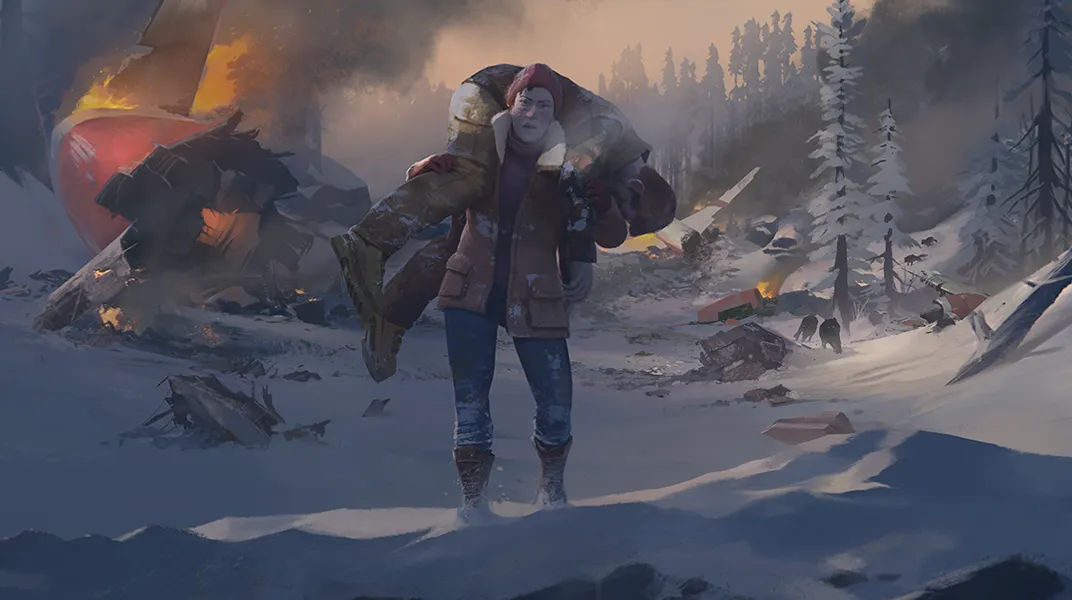
The first time cabin fever fully triggers is transformative. The player, often overconfident from stockpiling food and water, is suddenly forced into the wilderness.
Common Reactions
- Panic planning
- Improvised snow shelters
- Emergency bedroll use in caves
- Risky nighttime travel
This moment often reshapes long-term strategy. The player learns:
- Indoor comfort is not permanent.
- Outdoor familiarity is necessary.
- Mobility is survival.
Cabin fever forces competence beyond domestic routine.
5. Caves as Psychological Middle Ground
Caves play a crucial role in cabin fever design. They are technically “outdoors” for cabin fever calculations, yet partially sheltered from wind and predators.
Why Caves Matter
Caves become transitional spaces between total exposure and indoor security. They represent compromise.
Advantages:
- Wind protection
- Stable temperatures
- Reduced predator traffic
Disadvantages:
- No crafting benches
- Limited storage
- Vulnerability to temperature drops
Caves shift the player's mental map. The wilderness is no longer binary (safe house vs. deadly outside). It becomes layered.
6. Crafting Time and Indoor Dependency
Mid-game survival in The Long Dark revolves around crafting:
- Bearskin bedroll
- Wolfskin coat
- Deerskin boots
- Arrows and bows
Crafting requires long indoor sessions. Hours pass while materials cure. Cabin fever risk climbs steadily.
The Design Paradox
To survive long-term, you must craft.
To craft, you must stay indoors.
If you stay indoors too long, you cannot sleep there.
This paradox creates time management anxiety.
Strategic Adaptations
Players begin to:
- Rotate between indoor crafting and outdoor harvesting.
- Cure hides in multiple locations.
- Intentionally sleep outdoors occasionally to reset risk.
The system teaches proactive balance.
7. The Psychological Effect of Isolation
Unlike many survival titles, The Long Dark has no multiplayer in its survival mode. There is no human voice. No shared shelter. No rescue.
Cabin fever thus carries symbolic weight. It is not simply about fresh air—it mirrors real-world isolation psychology.
Emotional Progression
- Relief at finding shelter
- Comfort in routine
- Subtle restlessness
- Claustrophobic anxiety
- Forced exile
Players often describe feeling uneasy when staying inside too long—even before cabin fever triggers. The system conditions emotional response.
This is environmental storytelling through mechanics.
8. Late-Game Sustainability and the Nomadic Shift
Long survival runs (100+ days) demand sustainable routines. Cabin fever gradually pushes players toward nomadism.
The Late-Game Pattern
- Maintain multiple bases.
- Rotate sleeping spots.
- Use caves as strategic rest points.
- Avoid permanent indoor settlement.
The result is a survival rhythm:
Indoor productivity → Outdoor exposure → Recovery → Repeat
This rhythm feels natural over time. The player adapts to movement.
Why This Matters
Without cabin fever, optimal play would be:
- Loot region.
- Consolidate in best indoor base.
- Minimize risk.
Cabin fever prevents stagnation. It enforces geographical engagement.
9. Difficulty Scaling and Cabin Fever Severity
Cabin fever’s impact varies by difficulty mode:
- Pilgrim: forgiving wildlife, more resources.
- Voyageur: balanced challenge.
- Stalker: aggressive predators.
- Interloper: extreme scarcity and cold.
On Interloper, sleeping outdoors is significantly more dangerous due to temperature penalties. Thus cabin fever is not equally threatening across modes.
Interloper Case Study
In Interloper:
- No firearms.
- Limited clothing.
- Colder baseline temperatures.
When cabin fever hits, outdoor sleep can mean death. This amplifies tension dramatically.
The affliction becomes less a nuisance and more a survival test.
10. Cabin Fever as Philosophical Design Statement
Ultimately, cabin fever is not about realism. It is about rejecting static survival fantasy.
Many games portray survival as fortification:
- Build walls.
- Secure base.
- Outlast threat.
The Long Dark rejects this fantasy. Nature is not an enemy to be conquered—it is an environment to be endured.
Cabin fever communicates a design philosophy:
- You are not meant to dominate the wilderness.
- You are part of it.
- Safety is temporary.
- Movement is life.
It reframes survival from control to coexistence.
Conclusion
Cabin fever in The Long Dark is a masterclass in subtle systemic design. What appears at first to be a minor inconvenience gradually reveals itself as a core pillar of the game’s psychological architecture.
By limiting indoor dependency, the mechanic:
- Encourages mobility
- Prevents exploitative base play
- Enhances environmental engagement
- Reinforces thematic isolation
- Creates layered decision-making
Most importantly, it transforms shelter from an absolute refuge into a conditional privilege. The wilderness is not something you escape—it is something you must continuously negotiate.
Through this single mechanic, The Long Dark achieves something rare in survival design: it makes stillness dangerous.
And in doing so, it captures a deeper truth about isolation—not that it kills instantly, but that it erodes quietly, until even warmth feels unsafe.
160-Character Summary:
Cabin fever in The Long Dark reshapes survival by punishing indoor stagnation, forcing mobility, and turning shelter into a temporary, psychological risk.